Learn to see how systems behave.
Populations boom and crash, inventories swing, and good intentions backfire. System dynamics shows you why. This is the full MIT guided study, rebuilt as a course you can finish.
Free. No sign-up needed. 30 units, about 135 hours, at your own pace.
The same problem keeps coming back.
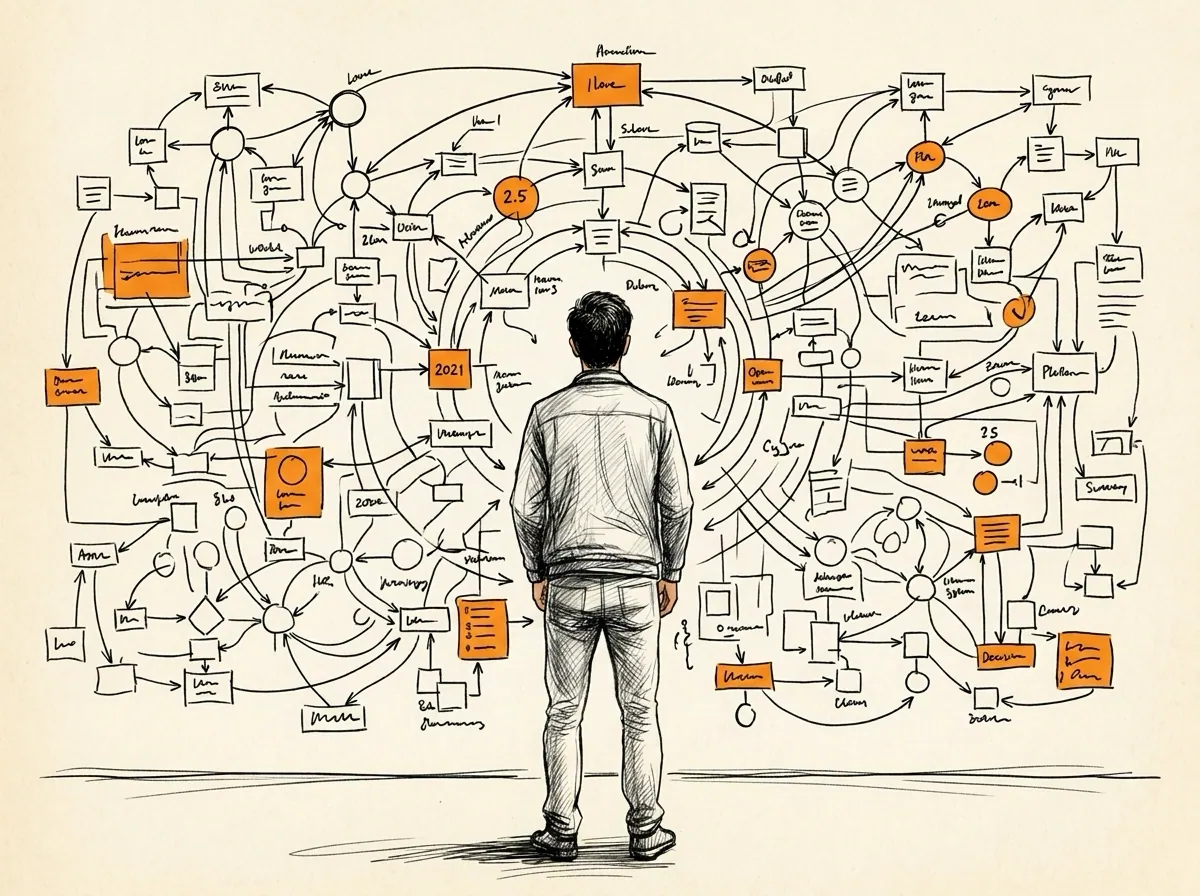
You fix the backlog and it returns in a month. You hire to relieve the pressure and the pressure moves somewhere else. Most operating problems repeat because the structure that makes them is still in place.
System dynamics is the discipline of seeing that structure: the stocks that build up, the flows that fill and drain them, and the feedback loops and delays that decide how the whole thing behaves. Once you can see it, you can test a change before you make it.
Everything the original study had, and a way to finish it.
Lessons and readings
Each unit opens with a lesson that frames the ideas, then sends you to the original MIT papers, read right in the page.
Exercises and checkpoints
Write your answers and save them, check yourself with a short quiz, then compare with the official MIT solution. Pass at 70% to complete the unit.
Models you can run
Move the sliders on growth, delay and oscillation models and watch the behavior change. No software to install.
Work through 30 units in 6 modules.
Thinking in systems
Feedback, counterintuitive behavior, and why systems surprise us.
First models
Stocks, flows and your first simulations.
Feedback structures
Positive and negative loops, time constants, and growth.
Systems at scale
From world models to conceptualizing your own.
Delays, validation and method
Smoothing, delays, numerical error and testing a model.
Oscillation, overshoot and policy
Why systems swing, collapse, and how to steer them.
Built on a classic.
The course follows MIT OpenCourseWare 15.988, System Dynamics Self Study, taught by Prof. Jay Forrester in Fall 1998. The lessons, models and checkpoints are rebuilt around the original readings, assignments and solutions.
MIT's materials are licensed CC BY-NC-SA 4.0. That is why this course stays free and non-commercial, and why adapted content carries the same license.