
From constant exceptions and handoffs to an AI operating environment built around the operation.
The plan matters. The exceptions run the day.
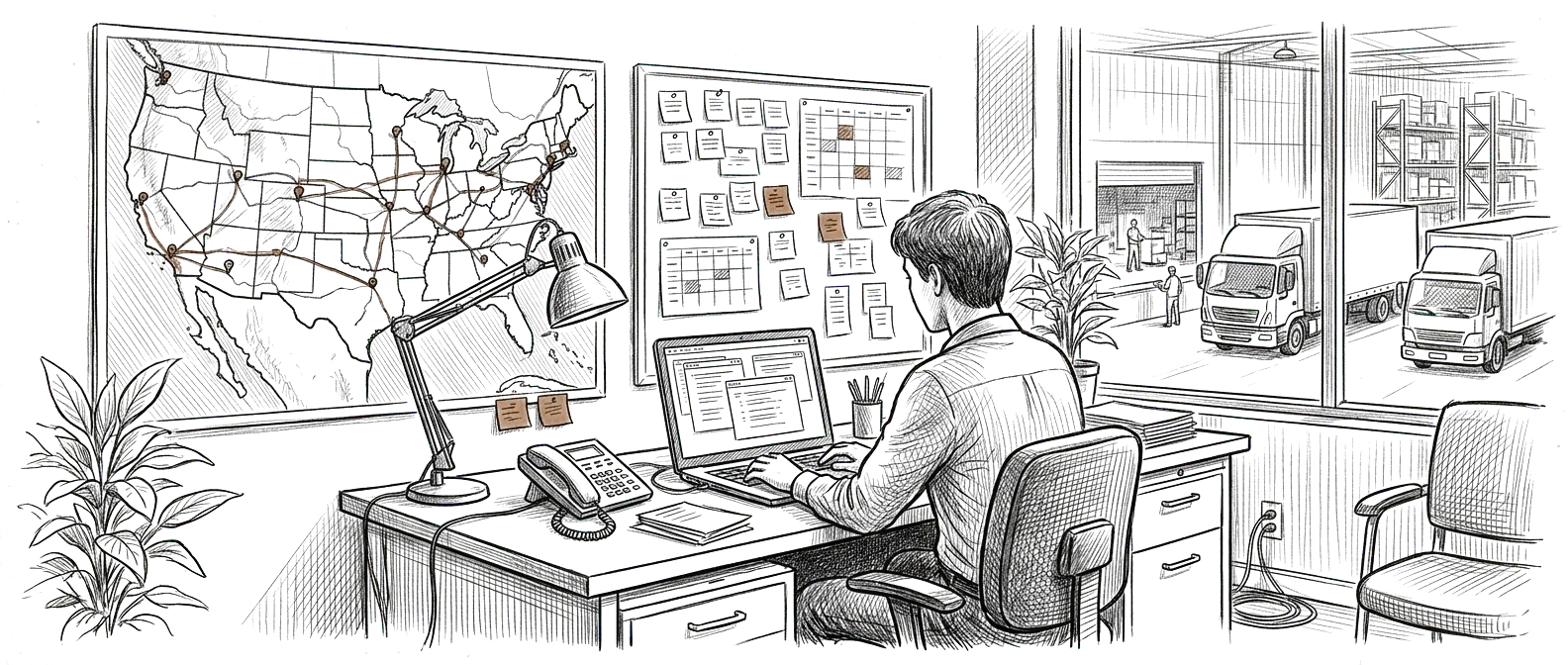
Loads change, customers call, and carriers update their status. A driver misses a window, a document shows up late, and the operations team spends the day moving between the TMS, email, spreadsheets, portals, messages, and whatever the longest-tenured person remembers.
AI can help, but only if it understands the workflow around the exception.
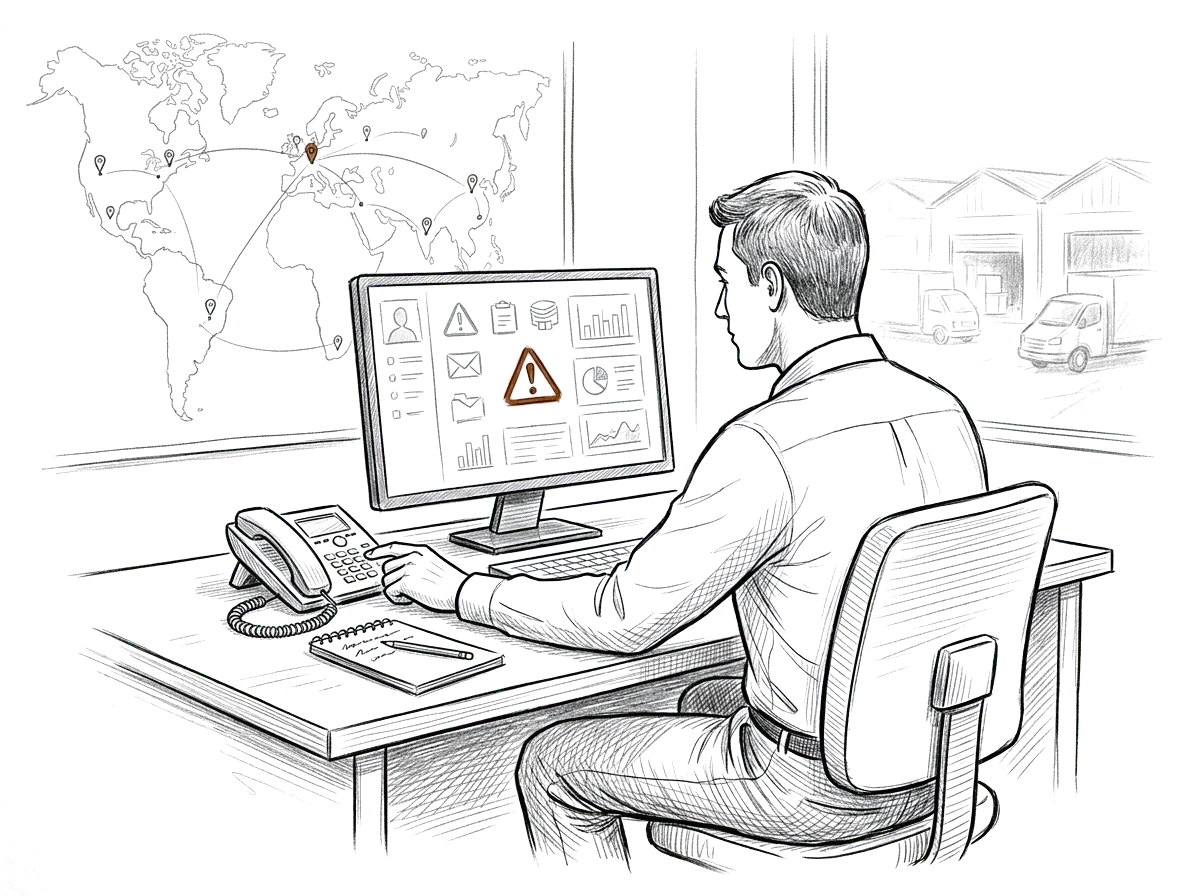
Give operators a faster way to understand what changed.
A structured environment can help teams gather known information, identify what is missing, summarize risk, prepare next actions, and draft communication while leaving consequential operating decisions with the appropriate person.
Make sure the next person sees what actually matters.
Open loads, customer commitments, unresolved exceptions, deadlines, and ownership can move through a consistent handoff instead of memory, chat history, or informal notes.
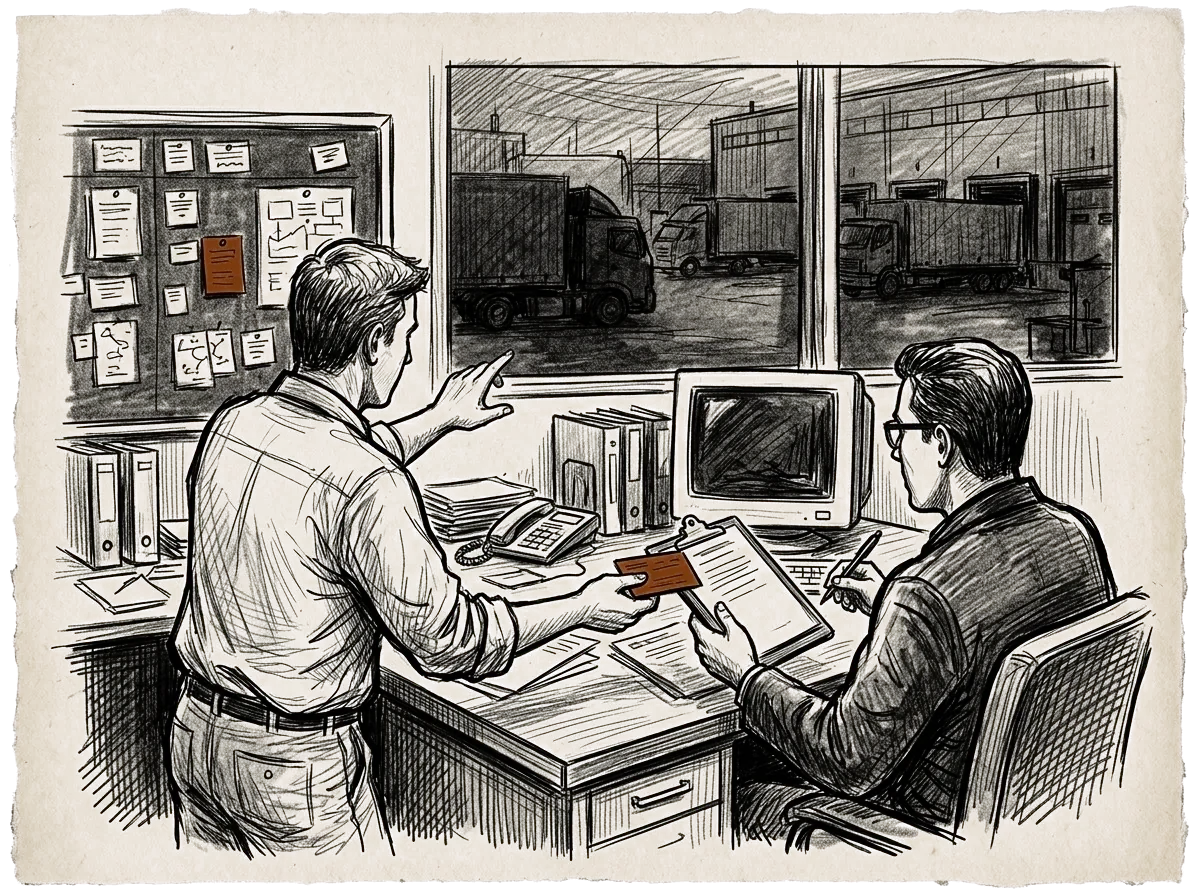
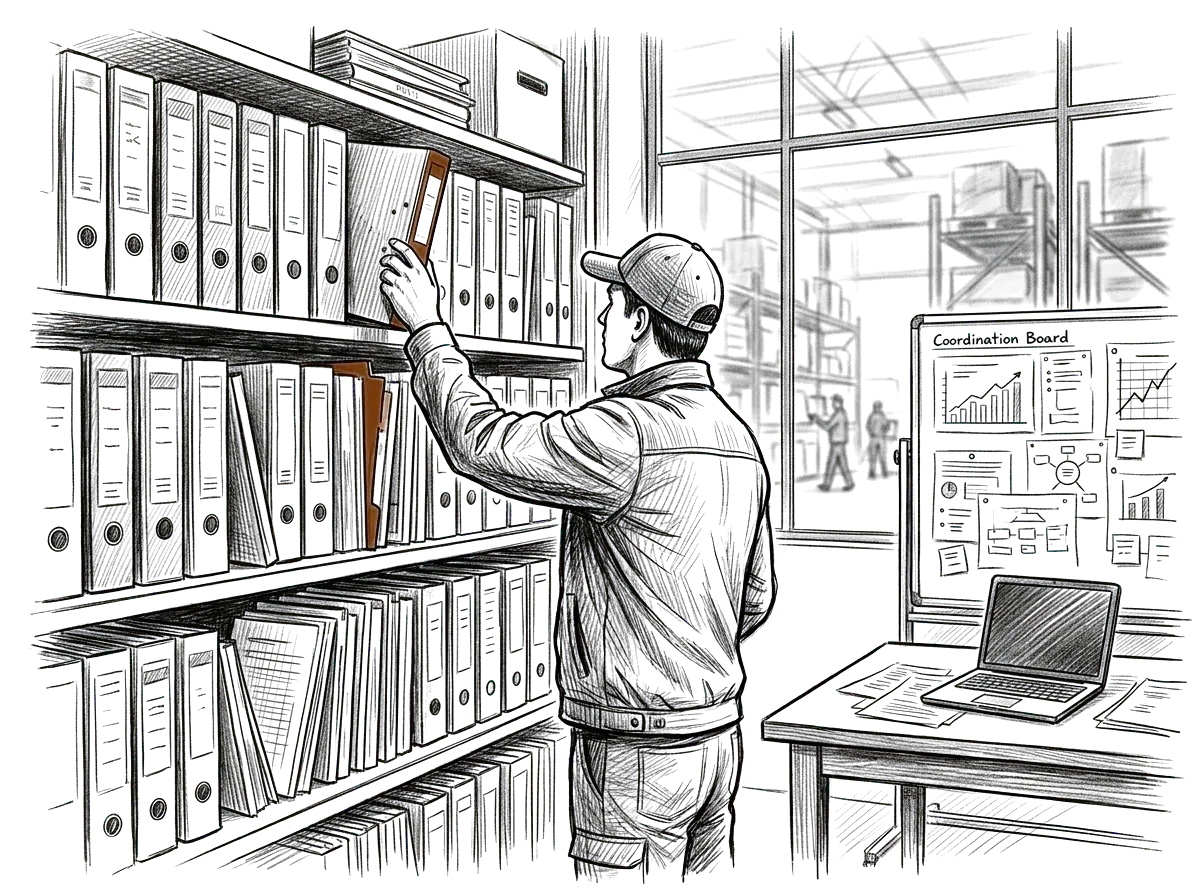
Make the right procedure easier to find in the middle of the work.
Customer requirements, escalation rules, operating procedures, carrier processes, service standards, and internal guidance can be easier to retrieve when the environment is built around the operation.
Imagine an operation with more time on the exception and less time reconstructing it.
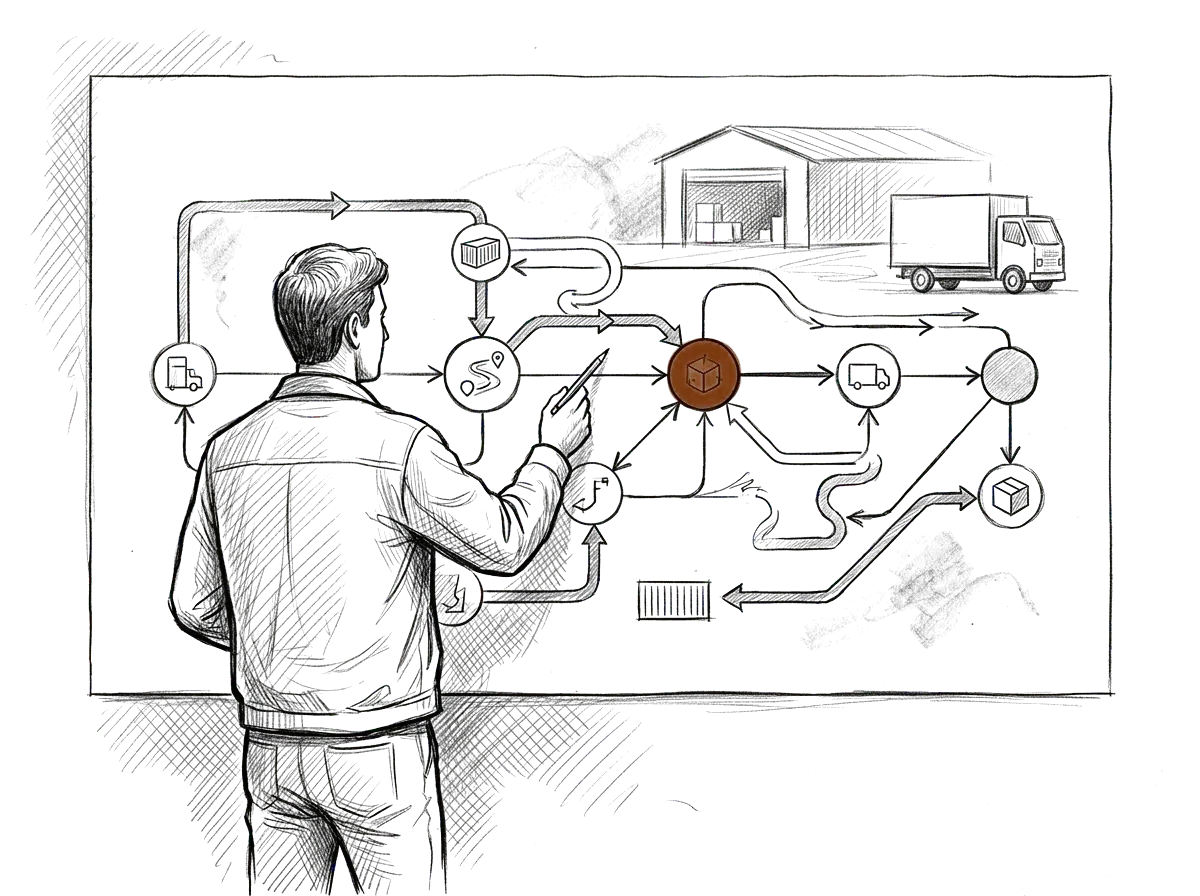
Teach the environment how freight actually moves.
We map shipment lifecycle, operations roles, customer requirements, carrier workflows, exceptions, escalation, communication, systems, approvals, and operating boundaries.
Then we determine what the environment should support.
Give operators structure without slowing them down.
Exception context
What changed, what is known, what is missing, and what needs attention.
Repeatable handoffs
Consistent structure for shift changes and cross-team coordination.
Approved operating knowledge
Customer guides, SOPs, escalation paths, and service standards.
Human decisions
Carrier selection, rebooking, cost commitments, credits, contractual decisions, and other consequential actions stay with authorized people.
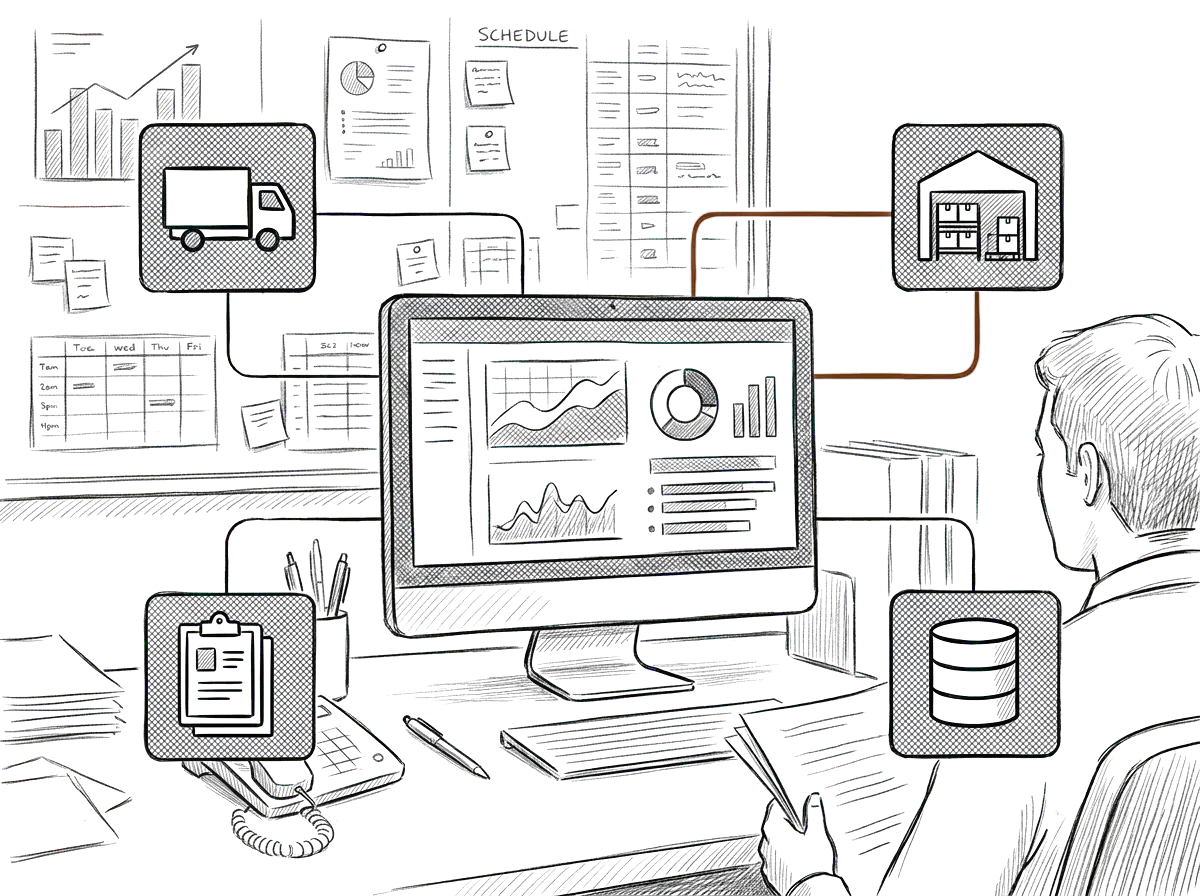
Connect the environment to the systems the operation already uses.
That may include TMS, WMS, CRM, Microsoft 365, Google Workspace, carrier portals, customer portals, Power BI, databases, APIs, and internal systems.
If what you need is an environment around the systems you already have, that's what we build. A new logistics platform is rarely the answer.
Make the environment reliable under pressure.
Which information is authoritative.
Who can see which customers or accounts.
What actions require human approval.
How exceptions are escalated.
How customer communication is reviewed.
How the environment changes as operations change.
Make the environment reliable under pressure.
Operators spend less time reconstructing the situation.
- Operators spend less time reconstructing the situation.
- Exceptions become easier to understand.
- Shift handoffs become more complete.
- SOPs are easier to retrieve.
- Customer communication starts from better context.
- Measures worth discussing together, not promised results: time from exception alert to a named owner, shift handoffs that arrive missing open items, and customer updates sent inside the agreed window.
Faster is only better when the operation stays controlled.
Design with the whole operation in mind, build only what's needed, and grow from what the evidence shows.

Freight brokers
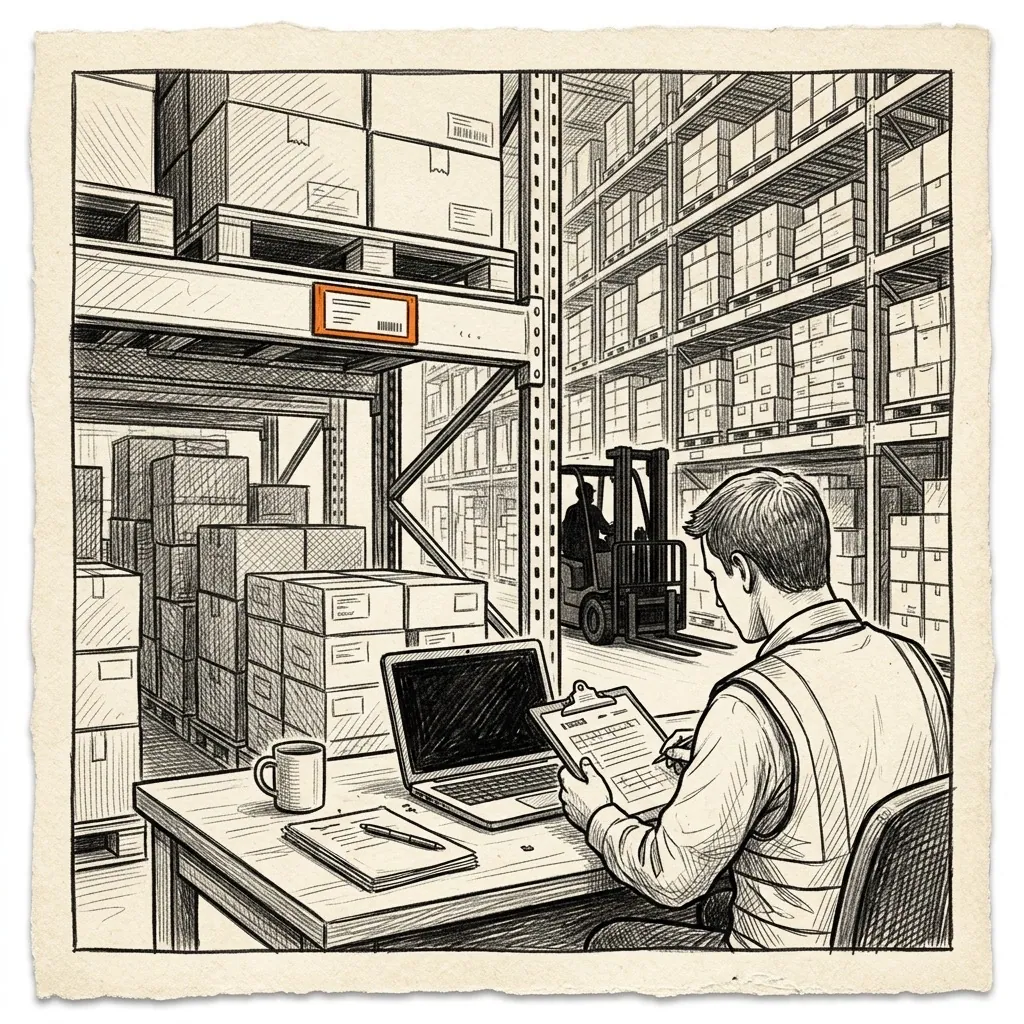
3PLs
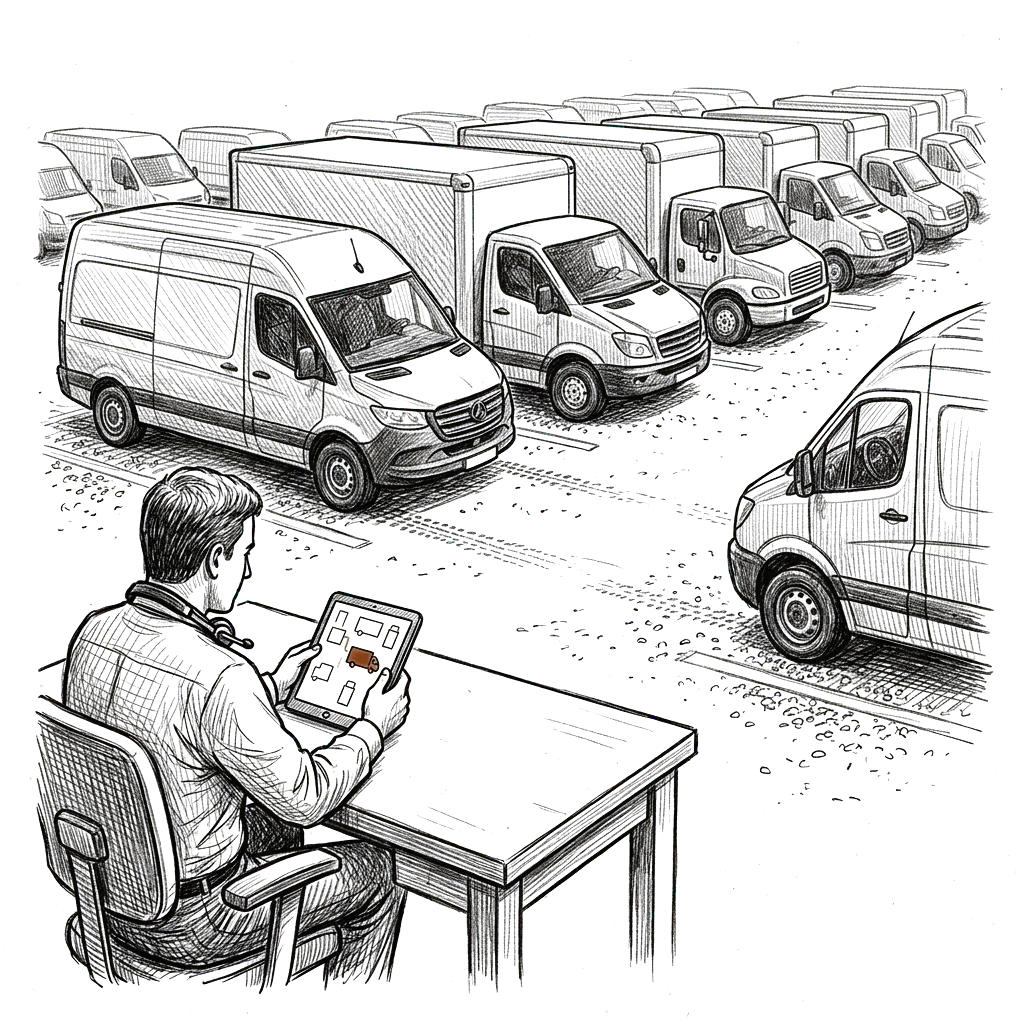
Managed transportation providers
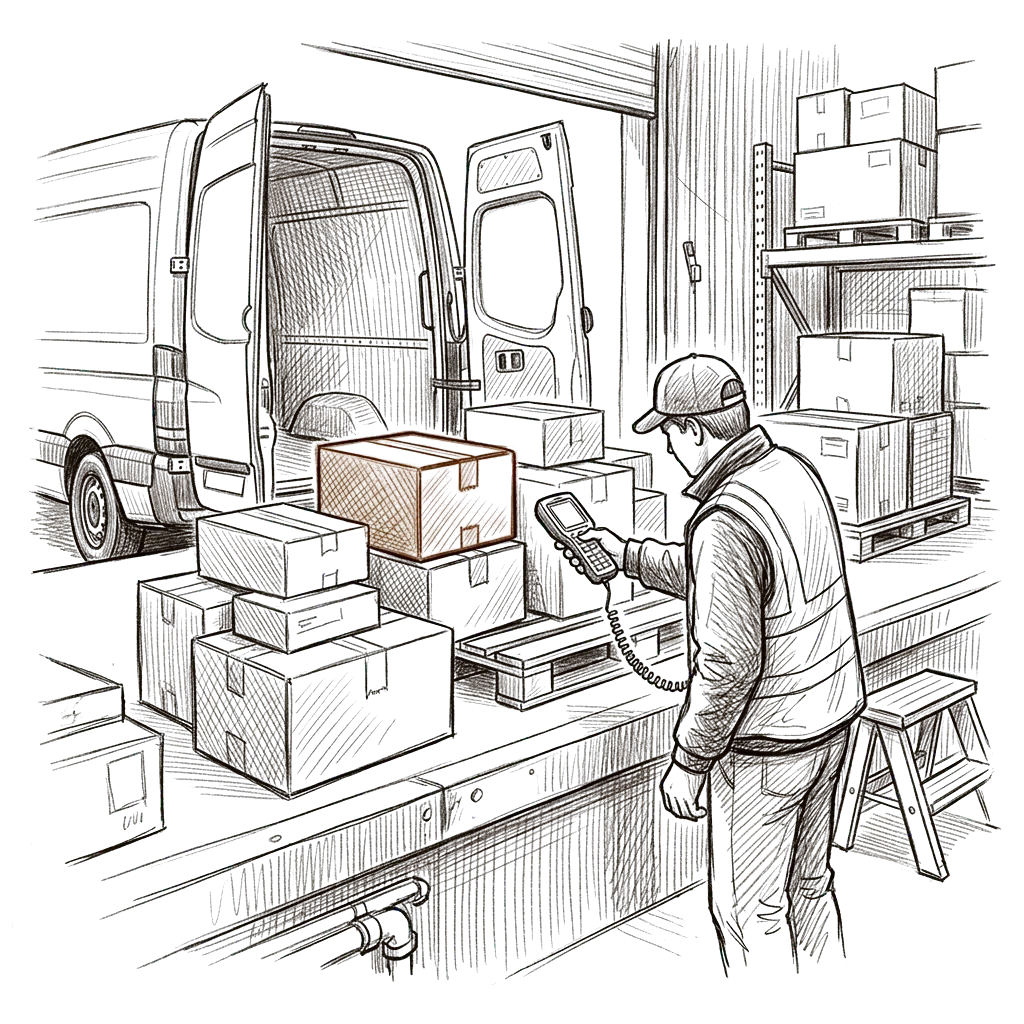
Distribution & delivery operations
Understand
We learn how shipments, information, decisions, and exceptions move through the business.
Architect
We determine what workflows, knowledge, permissions, systems, and controls belong in the environment.
Build
Self-build, co-build, or have Revuity fully implement it.
Validate
For full implementations, we test workflows, permissions, outputs, and failure behavior against real operating scenarios.
Launch
We train the relevant teams, launch the environment, and transfer ownership.
Choose how much of the build you'd like us to carry.
Guided setup · 12 months of library updates
$299
12-Month Plan: $27.41/mo ($328.90 total)
For operations that want the Revuity environment structure and want to build it themselves.
- Environment template
- Guided operating process
- Workflow structure
- Reusable implementation guides
One-time · Self-service · Written for a team
$499
For operations that want an environment written for the whole team, set up on their own.
- Role and responsibility guidance
- Shared workflow instructions
- Decision boundaries
- Documented setup
Bounded setup · Agreed written scope · Design for 1 operation
From $1,199
12-Month Plan: From $1,318.90 total
For operations that want Revuity to lead a bounded setup against an agreed written scope.
- Agreed written scope and acceptance checklist
- Design for 1 operation
- Implementation
- Validation against the checklist
Ten workflows for logistics & transportation, $75.
One plugin set carries the operational flow of the work. Each workflow organizes, tracks, drafts or flags, and a person makes the decision.
- 01
Load and order intake
Organizes incoming requests and the details still missing.
- 02
Dispatch daily brief
Prepares the day's loads, drivers and exceptions.
- 03
Carrier and driver follow-up
Tracks status checks and drafts the messages.
- 04
Delivery exception handling
Logs late, damaged and missed deliveries and the next step for each.
- 05
Customer status updates
Drafts shipment updates for dispatch to review.
- 06
Document tracking
Tracks bills of lading, proofs of delivery and invoices through to paid.
- 07
Maintenance and inspection calendar
Tracks vehicle service and inspection dates.
- 08
Driver credential tracking
Tracks license and credential expiration dates and prompts each renewal.
- 09
Invoicing and claims follow-up
Lists open invoices and claims by age.
- 10
Weekly performance review
Prepares a plain summary of lanes, delays and open issues.
$7510 workflows
One purchase, all ten workflows for this industry.
The ways logistics teams work with us.
For operators with a product in mind, like a shipment tracking portal or a carrier onboarding tool, we build it with you from a first version to launch.
CollabX Premium Website
$1,600one-time
A custom-designed website built around your brand, from your existing site or from nothing, with every page written and polished to read well.
CollabX Product Launch
$9,500one-time
We take the product past a first version and get it ready to launch: a production-ready core, deployment, the integrations it needs, agent-ready access where the product needs it, sign-in, payments where they make sense, testing, and launch preparation.
Claude Forward Deployed Engineering
$125/hr40-hour minimum, plus a one-time $1,200 set-up fee
A Revuity engineer works inside your business to build with Claude where your work actually happens.
AI supports the operator, and the operator stays in charge.
The environment can help gather information, structure exceptions, retrieve procedures, prepare communication, and support decision-making.
Consequential operating actions remain with the people authorized to make them unless a separately approved system explicitly provides otherwise.
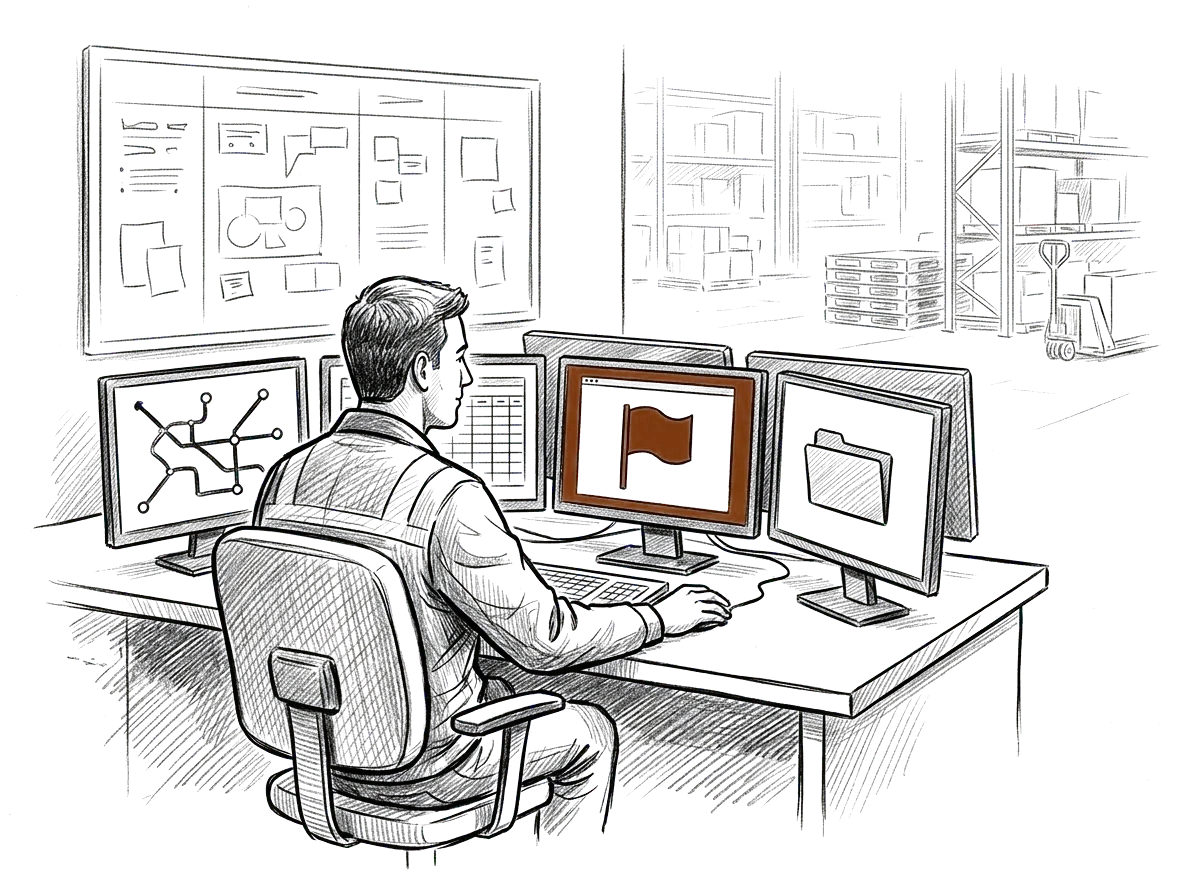
One operation, spending less time reconstructing every exception.
A 3PL manages customer requirements, carrier updates, open exceptions, SOPs, and handoffs across multiple systems.
Revuity maps the actual exception workflow and builds an environment that helps operators see what changed, what they know, what is missing, and what should happen next without replacing the TMS or removing human operating authority.
From scattered productions to one system.

Independent Film & TV Production Company
An independent film and TV production company ran every production as its own improvised effort. Scheduling, crew and vendor coordination, budgets, and deliverables lived across email, spreadsheets, and group texts, and all of it got rebuilt from scratch each time. The people were capable, there was just no structure that carried over. Revuity Systems mapped how a production actually moves from pre-production through wrap, then designed and built the operating environment with their team, so the structure carries from one production to the next.
They came back to work with Revuity Systems again after the first build.
Questions, answered.

Build the environment around the operation.
Tell us how exceptions actually move through your operation. We'll show you what it would take to build the environment around it, without removing human operating authority.Bought online, with no sales call.