
Understand how your business is running.
Revuity Dynamics maps the loops behind problems like a growing backlog or a shrinking margin, then lets you test a fix on a model before you spend a dollar on it, with an advisor that walks you through the systems dynamics as you go.
Plans from $49 a month. Sign up and manage billing at dynamics.revuitysys.com.
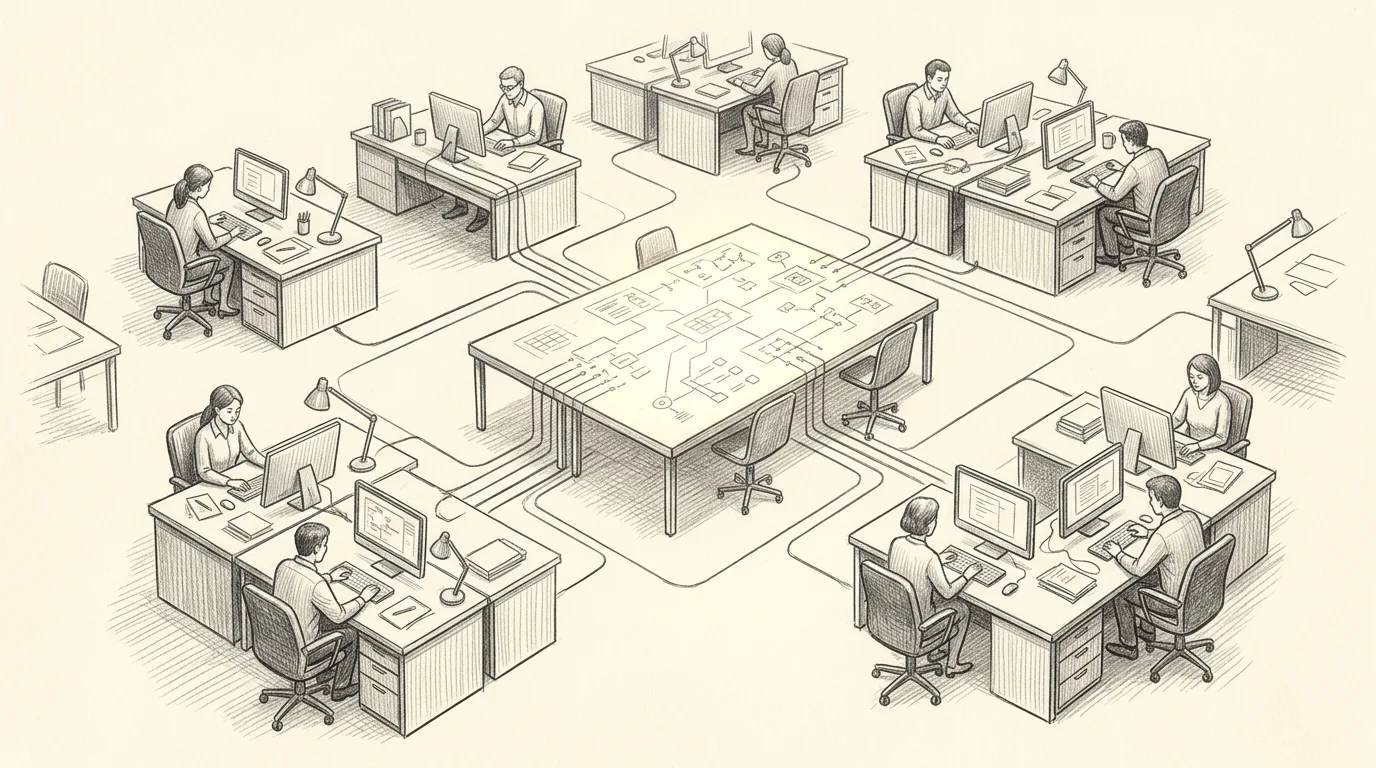
More customers, less profit, and a team stretched thin.
Sales are up and the money isn't, so everyone works harder and the same problem turns up somewhere else.
The cause usually sits in how the work moves, in where orders wait and in the delays nobody sees until the queue is already long.
Write that flow down as a model and you can try a change on the model first, before you hire anyone or buy another tool.
The aim is a business you can see and test before you change it.
Built for the people who run the work.
Owners, operations managers and consultants who want a straight answer about why the work backs up, with no systems dynamics background needed.
The first problems it starts with
- Growing operational backlogs
- Falling profit as sales grow
- Capacity limits during expansion
From $49a month
Three plans, from Essential to Business, and every one includes the AI Advisor.
- An advisor that guides the diagnosis in plain language
- Editable maps of how your business works
- Scenario tools whose numbers come from a separate calculation engine
- A first set of Academy modules that teach the method on your own business
- Reports you can export as a PDF
- A saved business profile, so you don't start over each time
Sign-up and billing happen in the app at dynamics.revuitysys.com.
Four steps from a problem to a decision.
Tell it what's happening
Answer a short set of guided questions about the symptom, your goals and what you've already tried, and the advisor keeps what you know apart from what you assume.
Review the model
The advisor drafts a map of how the parts of your operation affect each other, and you edit it and confirm the assumptions that matter.
Test a change
Adjust a staffing, capacity or process decision and compare the calculated result with your baseline, with the limits stated.
Take away a report
Export a PDF of the model, the scenarios you compared and the questions still open, ready to share with your team.
- The advisor explains and suggests, and a separate calculation engine works out the numbers.
- A model is a simplified picture, so its results are estimates to inform a decision and not predictions or guarantees.
- Fair-use limits apply to advisor and scenario runs, and each plan lists them.
Watch a map get built.
Thirty-six seconds in System Maps: add the variables behind a problem, link them, set the boundary and trace the loop that keeps a backlog growing. It runs on sample data and has no sound.
A look inside the workspace.
These are the app’s own screens, filled with sample data so you can see how a diagnosis moves from a conversation to a model, a scenario and a report. Pick a screen on the left. Nothing here is your data, and nothing you see can be changed.
Your operating system, at a glance
Saved models, scenarios, hypotheses and risks from this workspace. Every count comes from saved work.
Your current model suggests demand may be outpacing fulfillment capacity. Would you like to test a staffing or automation scenario?
Hypothesis, not yet testedSaved models
| Model | Starter example | Version | Last run | Status |
|---|---|---|---|---|
| Order backlog | Operational backlog | v3 | Run 7 | Ready to simulate |
| Profit squeeze | Profit falling as sales grow | v1 | None yet | Needs equations |
| Capacity limit | Growth constrained by capacity | v2 | Run 2 | Ready to simulate |
| Intake delays | Operational backlog | v1 | None yet | Draft |
Open hypotheses
- Fulfillment capacity is below weekly order arrivalsRests on estimatesNext step: test in Simulations
- Customer follow-ups pull the team off fulfillmentNeeds evidenceNext step: log follow-ups for two weeks
- Prices have not kept pace with the cost of deliveryUntestedNext step: add unit cost to the model
Priority risks
- The backlog model rests on two estimated inputsReplace estimates with measured weekly counts before acting on a result.
- The profit squeeze model has no equationsIt cannot be simulated until units, equations and starting values are added.
Recent activity
- Run 7 savedOrder backlog, baseline, model v3
- Model v3 acceptedAdvisor proposal reviewed and edited
- Academy module 03 startedFeedback loops and causal mapping

Start from the problem, not the method.
The advisor asks about the recurring problem, your goals, the rules people follow and the limits you work under, and it offers explanations you can test instead of announcing a root cause on the first answer.
What you know, what you assume and what's still unknown sit in separate lists, so you can see what the model rests on.
The numbers come from a calculation engine.
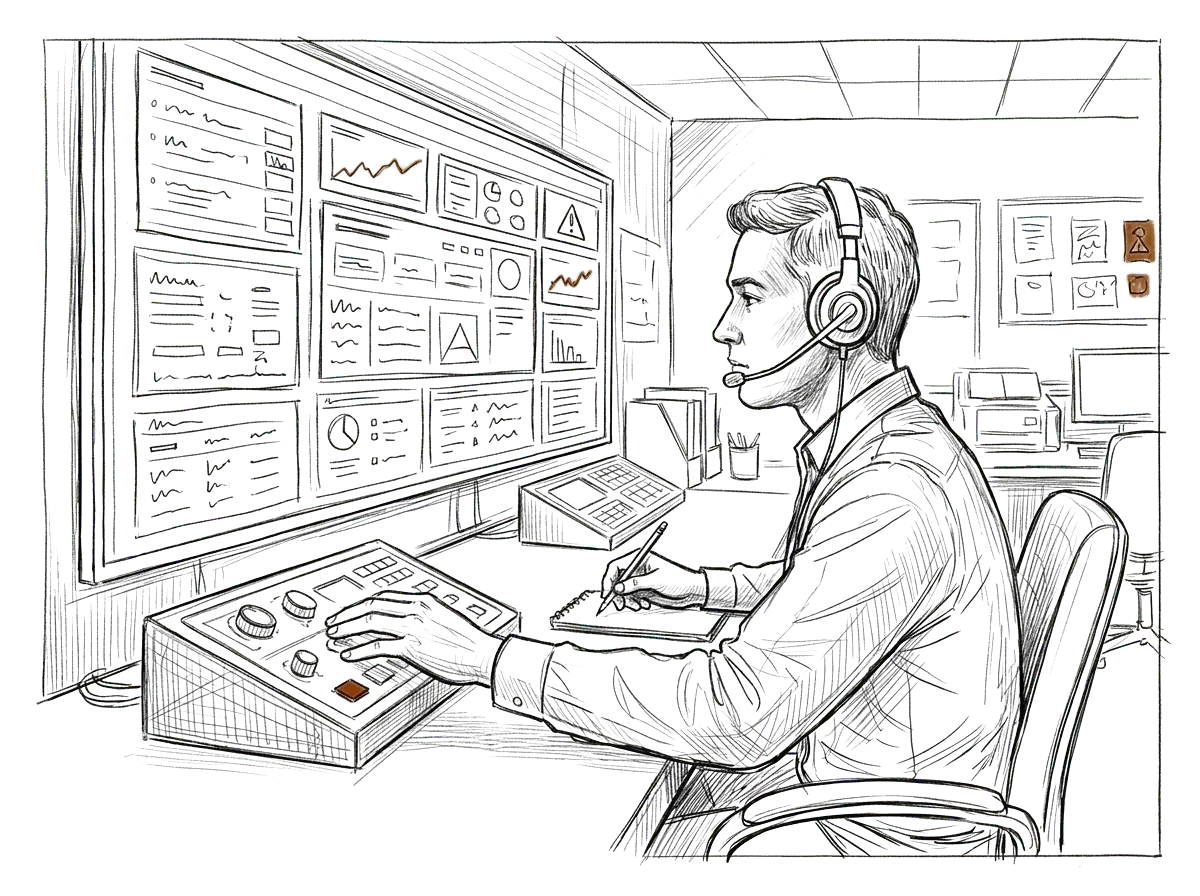
A language model can help build and explain a model, but it isn't a simulation engine, so Revuity Dynamics keeps the conversation and the arithmetic in separate layers.
- 01
Reasoning
Conversation, diagnosis, explanation and help drafting the model.
- 02
Structured model
Parts, relationships, stocks, flows, decision rules and the assumptions behind them.
- 03
Calculation engine
Scenario runs, sensitivity checks and model validation.
You review the important assumptions before anything is calculated.
Learn the method on your own business.
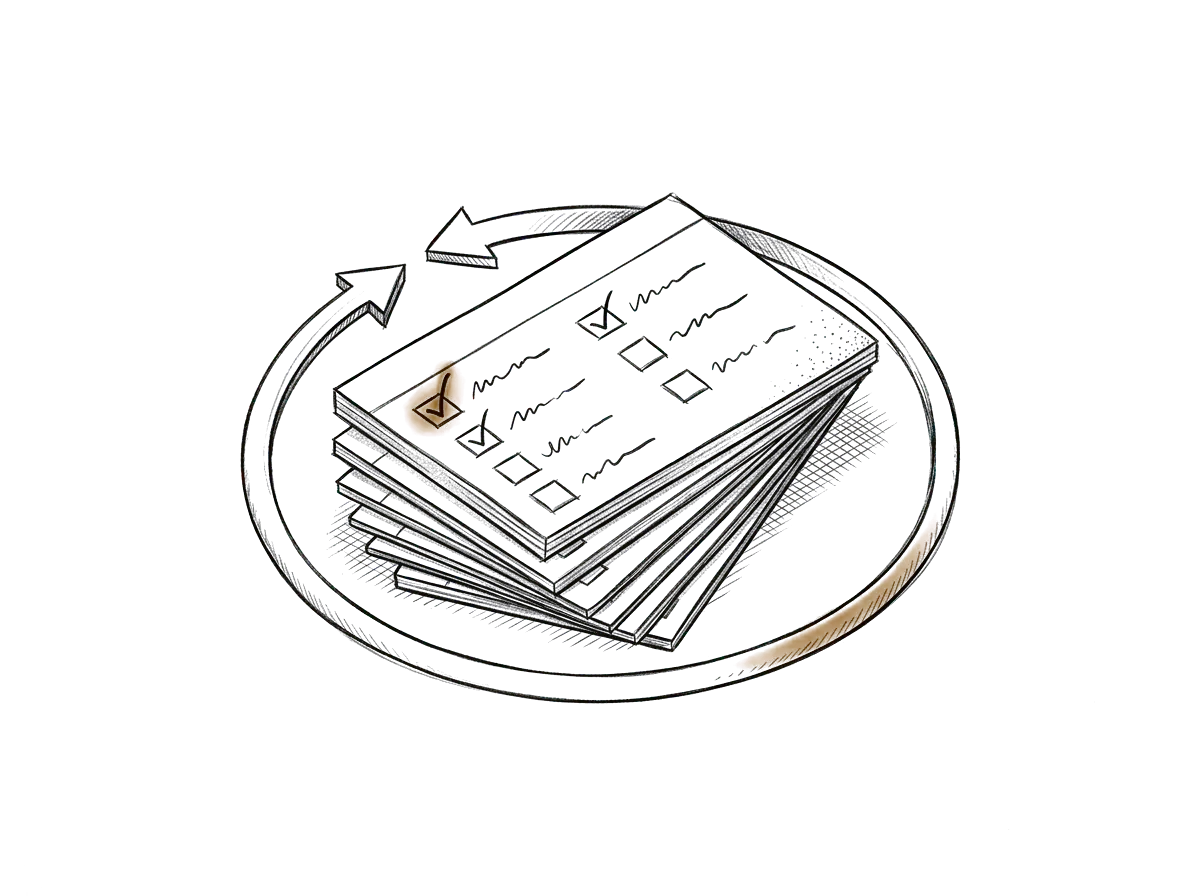
Training sits inside the workspace, and each module carries a short lesson, a worked business example, a guided model-building exercise, a knowledge check and an assignment saved to your workspace.
You can follow the learning path from the basic ideas to applied scenarios, or take the problem-solving path, which teaches each idea when your own problem calls for it.
- 01
Foundations of systems thinking
System boundaries, relationships, form and function.
- 02
Emergence and complexity
Self-organization, nonlinear behavior and tipping points.
- 03
Feedback loops and causal mapping
Reinforcing and balancing loops, and causal hypotheses.
- 04
Stocks, flows and delays
Accumulations, throughput, backlogs and dynamic behavior.
- 05
Simulation and scenario analysis
Calibration, assumptions and alternative policies.
- 06
Applied business systems design
Operational diagnosis, interventions and validation.
The first three modules are in this release, with the rest to follow. Revuity writes its own lessons and exercises, and any completion acknowledgment comes from Revuity.
Three problems that keep coming back.
The first release starts from operating problems that owners and managers recognize quickly, so a first useful diagnosis doesn't need a specialist.
Each one gives you a starting model to adjust, and a reason to come back and update it as the business changes.
Backlogs that keep growing
Work arrives faster than it leaves, and the queue slows everything behind it.
Profit that falls as sales rise
Revenue climbs while the cost of serving each customer climbs faster.
Capacity limits during expansion
Growth runs into the people, space or process that can't stretch.
Everything you need to understand a business, in one place.
Guides the diagnosis, explains the model and suggests what to test next.
Editable diagrams of the loops behind a problem, drafted from your conversation and corrected by you.
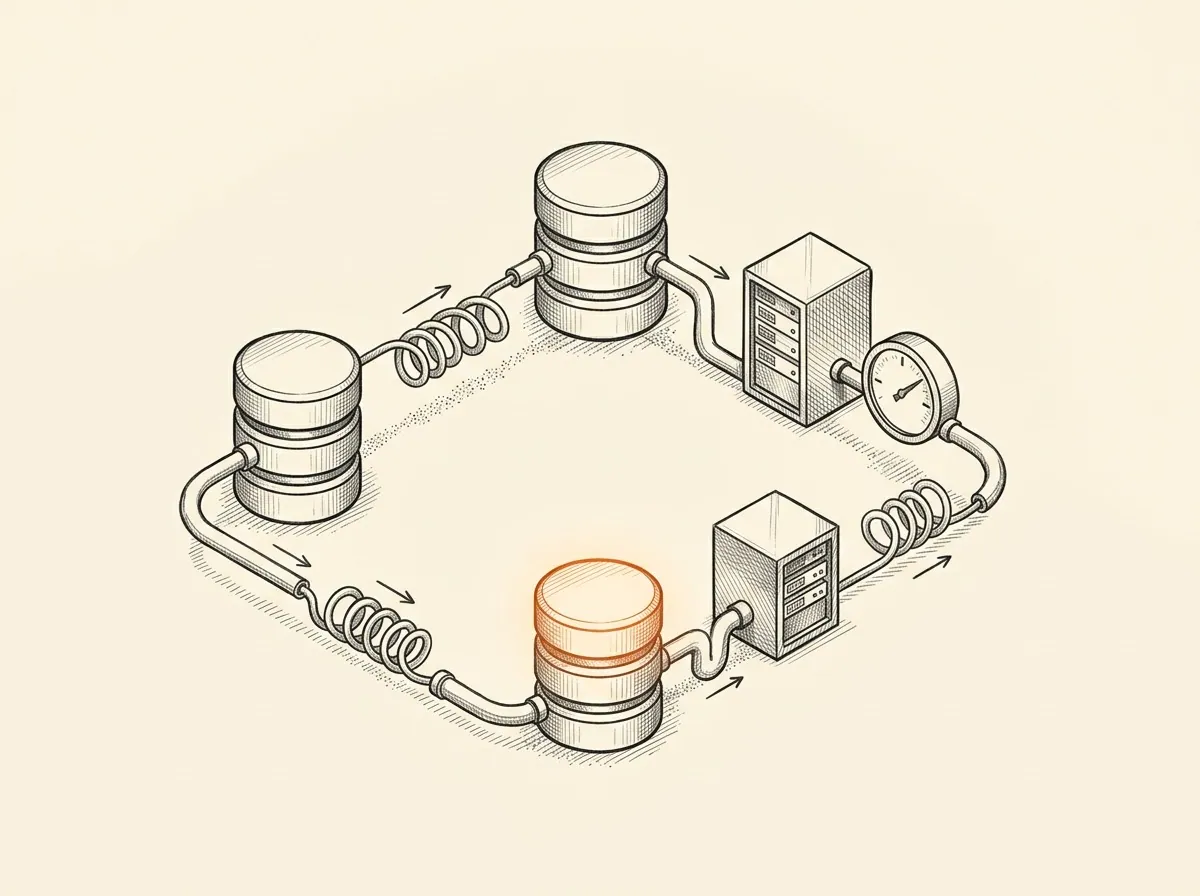
Change a setting and see the calculated effect against your baseline, with the limits of the model stated.
Original lessons and exercises that teach systems thinking using your own operation as the example.
A PDF of the model, the scenarios compared and the open questions, ready to share.
Context saved once and reused, with a basic CSV upload for the figures behind your model.
A product of its own.
Revuity Dynamics is for understanding and testing how your operation works, while AI Operating Environments organize your business knowledge and AI assistance, and you can use either one without the other.
DiagnoseModelSimulateImproveLearn
What a first session could look like.
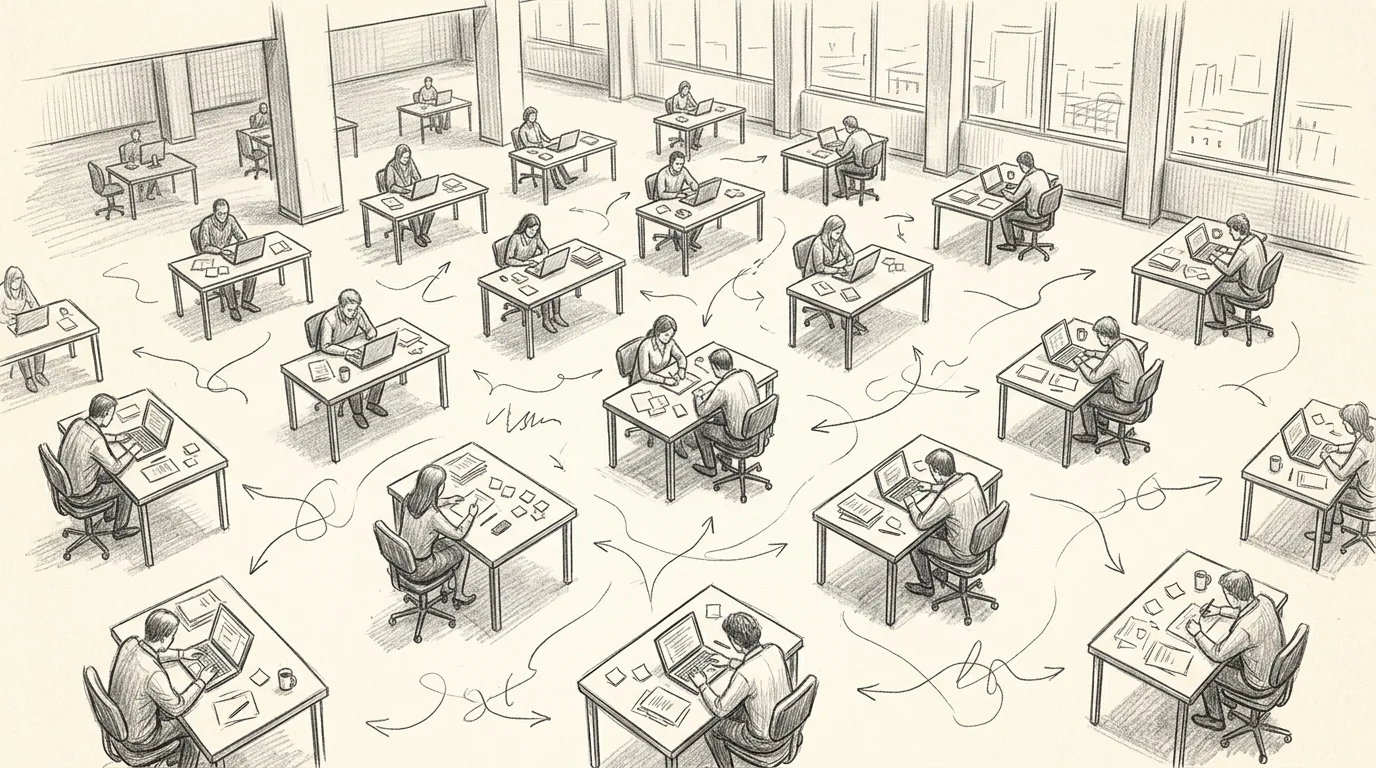
A business gets more customers and somehow makes less money.
This is an illustration of how a session goes, written to show the shape of the product. It is not a customer story, and it reports no results.
The owner types what's happening: more customers, thinner margins and a team that's overwhelmed. The advisor asks about delivery times, who does the work and how new orders get accepted, and it keeps what's known apart from what's assumed.
From those answers it drafts a map in which demand outruns fulfillment capacity and a growing backlog slows delivery, and the owner corrects an assumption, compares a staffing change with an automation change against the baseline, and exports the comparison for the team.
Plans from $49 a month.
Every plan includes the AI Advisor. The higher plans add modeling depth, analysis, reporting, training and collaboration.
Essential
$49
a month
Guided diagnosis and your first models, for one person getting a straight answer about how the work flows.
- AI Advisor
- Guided diagnostics
- System mapping
- Basic scenario tools
- Foundations training
Professional
$129
a month
More depth for people who run operations or advise others on them.
- Everything in Essential
- Advanced simulations
- Document and CSV analysis
- Risk assessments
- Advanced training
Business
$189
a month
For a team improving the way its operation runs, together.
- Everything in Professional
- Shared models
- Team collaboration
- Recurring health reports
- Scenario comparison
Start with the problem you feel most.
Describe what's happening, review the model the advisor drafts with you, and test your first change, from $49 a month.