
From stretched teams and scattered knowledge to an AI operating environment built around the mission.
The mission is clear. The operation behind it is harder to hold together.
Programs, grants, donors, volunteers, reporting, outreach, and internal administration all depend on information moving between people who are already carrying a lot. Important knowledge lives in shared drives, email, spreadsheets, grant portals, donor systems, and the heads of experienced staff.
Adding AI won't fix that on its own. The environment has to understand how the organization actually works.
Three places where an AI operating environment can reduce the load.
Help teams work from the same information.
Program staff often repeat the same research, documentation, preparation, follow-up, and reporting work.
A structured environment can give staff a consistent place to find approved information, prepare materials, summarize work, and follow repeatable processes.
Stop rebuilding the same organizational context every time.
Grant applications, reports, donor communication, impact narratives, and supporting documentation often draw from the same core information.
The environment can organize that knowledge so staff spend less time finding and recreating it.

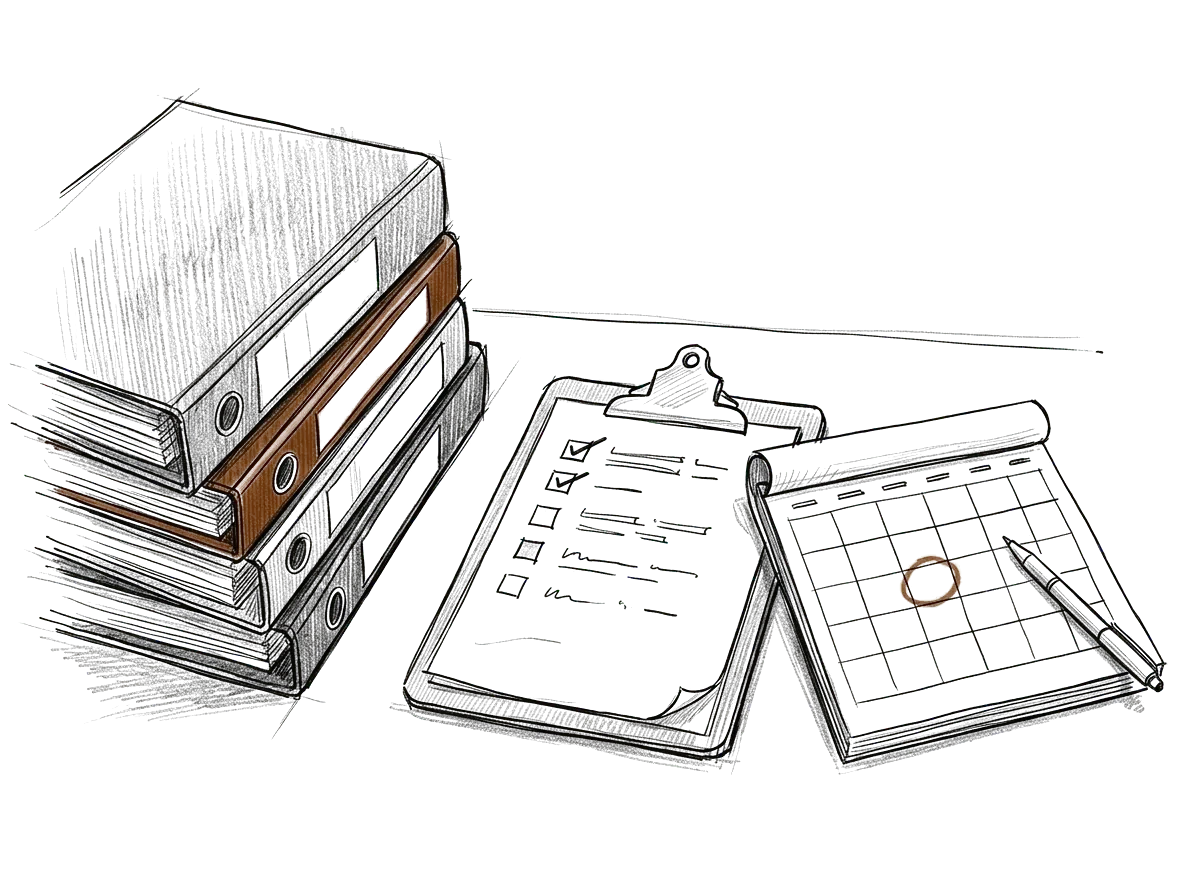
Make the organization easier to navigate.
Policies, onboarding, meeting preparation, board materials, vendor information, procedures, and recurring administrative work create a constant stream of small tasks.
That work can be structured into reusable workflows instead of starting over each time.
Imagine the mission moving forward on time and knowledge instead of memory and scattered files.
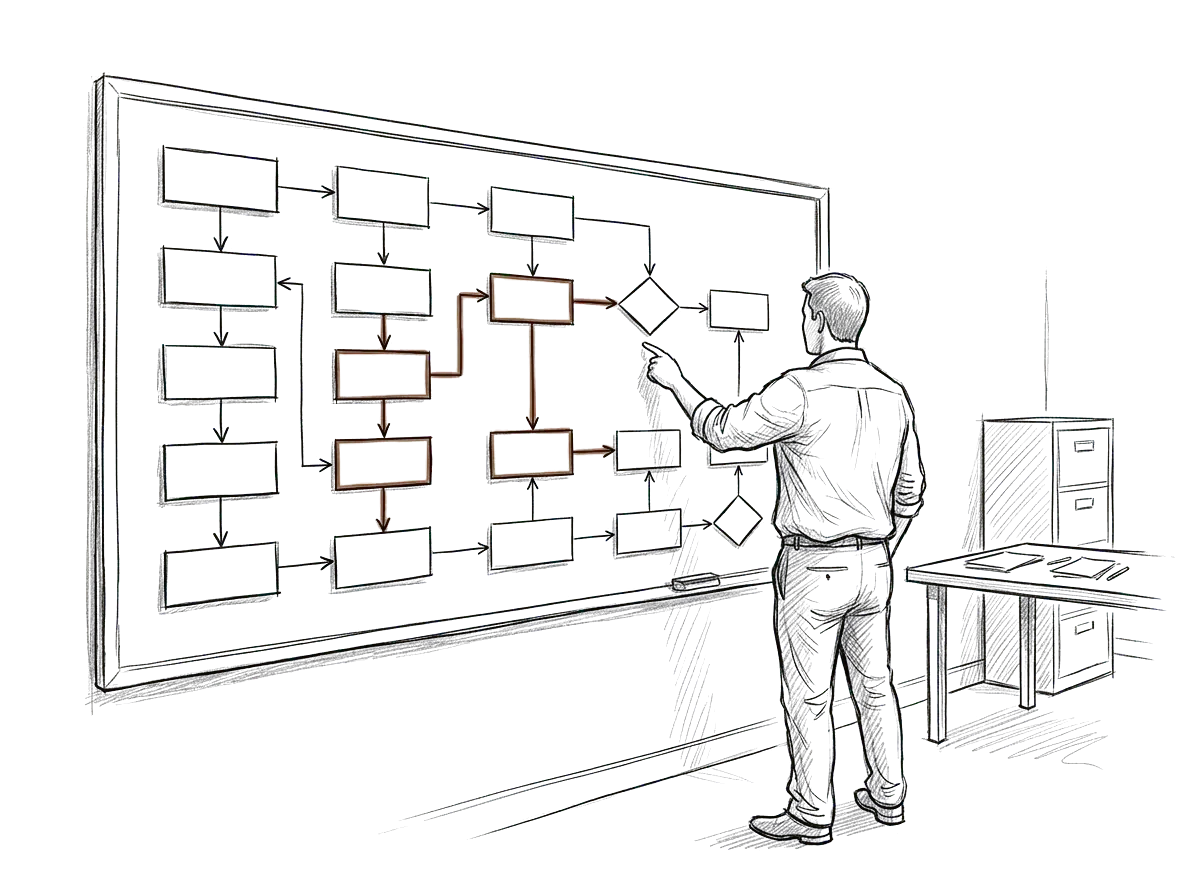
Teach the environment how the organization works.
We start with the mission, programs, people, information, decisions, and systems already in place.
Then we design the environment around the way things really work.
Turn institutional knowledge into something the team can reuse.
Nobody needs to become an expert at prompting. What matters is that useful knowledge is easy to reach and recurring work is easy to repeat.
Shared context
Mission, programs, terminology, policies, and approved organizational information.
Repeatable workflows
Grant preparation, program reporting, donor communication, internal operations, and administrative work.
Clear human judgment
People remain responsible for sensitive decisions, commitments, approvals, and external communication where required.
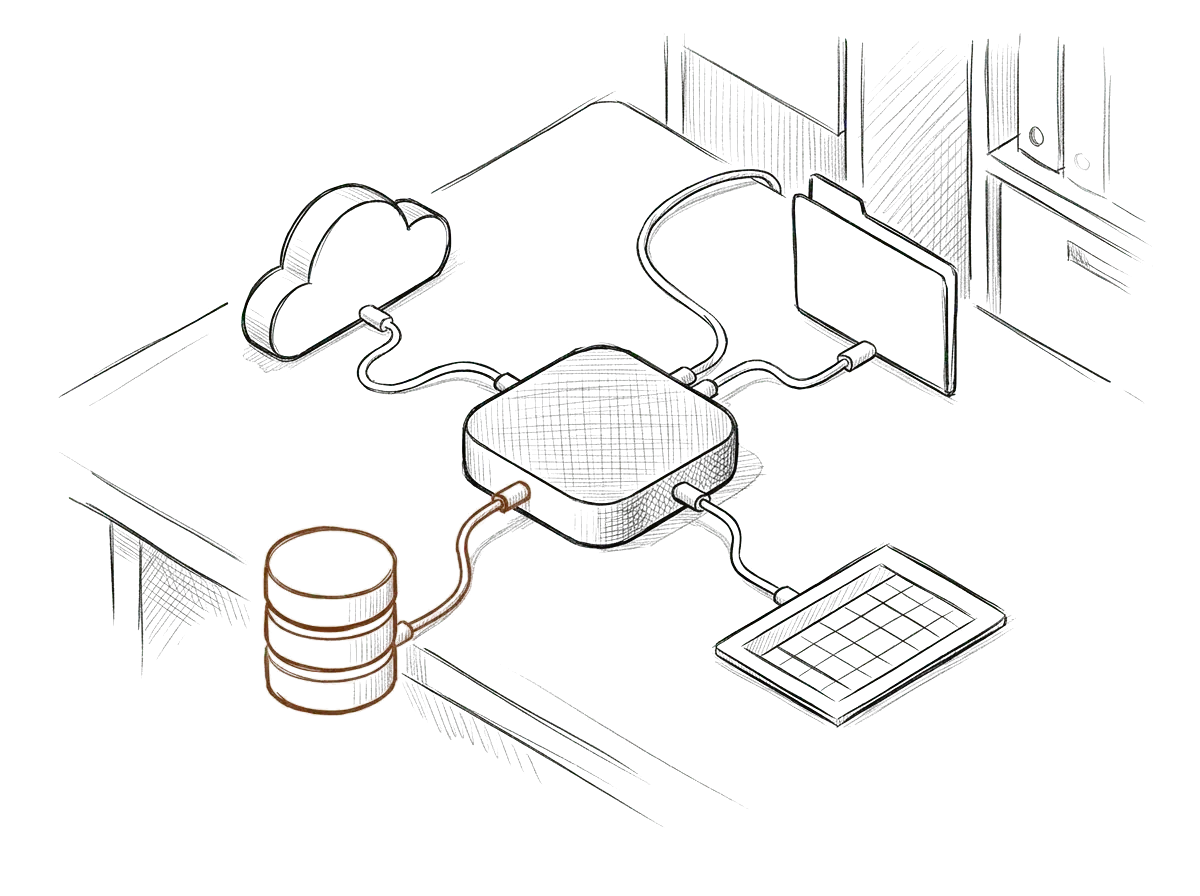
Connect the environment to the systems the organization already uses.
Depending on the nonprofit, that may include:
- Google Drive or Microsoft 365
- donor or CRM systems
- grant files
- program documentation
- spreadsheets
- internal databases
- project management tools
- approved websites and knowledge sources
We use the lightest system that solves the real problem.
Make the environment trustworthy.
Who can access what.
Which information is approved.
What requires human review.
Where sensitive information belongs.
How recurring work should be performed.
Who owns the environment as the organization changes.
The organization spends more time on the mission and less time rebuilding the operation.
The team spends less time rebuilding the operation.
- Staff spend less time searching.
- Program knowledge becomes easier to reuse.
- Grant and reporting work becomes more consistent.
- New staff have a clearer place to start.
- AI becomes part of the operating environment instead of another disconnected tool.
- Measures worth discussing together, not promised results: days between a grant deadline and a reviewed draft, reports waiting on program data, and donor acknowledgments sent on time.
Start with the work. Add only what the organization needs.
Shared workspaces, instructions, templates, and operating patterns.
Approved organizational knowledge structured around the people who need it.
Repeatable support for program administration, reporting, communication, and coordination.
Clear permissions and human approval boundaries.
Integrations with the systems and data the organization already relies on.
Custom tools only when configuration and integrations aren't enough.
Simple enough for your team to run, and solid enough to count on.
Nonprofits rarely need another system to maintain. We build only what improves the work.
Design with the whole operation in mind, build only what's needed, and grow from what the evidence shows.
The details change from one organization to the next, and the principle stays the same.

Community organizations
Give small teams a shared operating environment without adding heavy infrastructure.
Foundations
Organize grantmaking, research, governance, reporting, and institutional knowledge.

Membership organizations
Support recurring member communication, internal operations, events, and knowledge access.
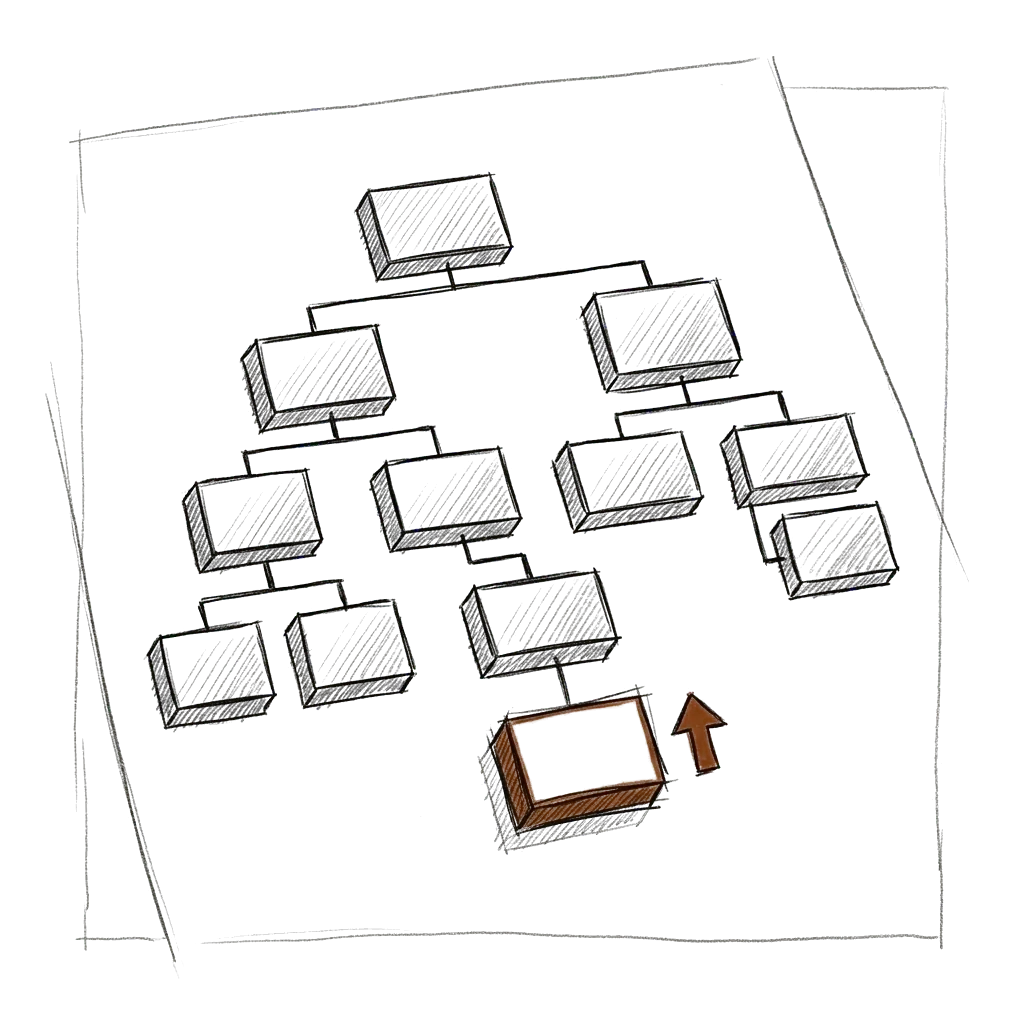
Growing nonprofits
Build the operating structure that keeps knowledge and process from becoming dependent on a few people.
Understand the organization. Design the environment. Put it into use.
Understand
We learn how the organization actually operates.
Architect
We determine what knowledge, workflows, permissions, systems, and capabilities belong in the environment.
Build
Build it yourself, build it with Revuity, or have Revuity implement it.
Validate
For full implementations, we test the environment against the real work.
Launch
We train the team, prepare it for use, launch it, and transfer ownership.
Choose how much of the build you'd like us to carry.
Guided setup · 12 months of library updates
$299
12-Month Plan: $27.41/mo ($328.90 total)
You get the Revuity system and build it yourself.
- Environment template
- Guided operating process
- Workflow structure
- Reusable implementation guides
One-time · Self-service · Written for a team
$499
Self-service and written for a team, set up on your own.
- Role and responsibility guidance
- Shared workflow instructions
- Decision boundaries
- Documented setup
Bounded setup · Agreed written scope · Design for 1 operation
From $1,199
12-Month Plan: From $1,318.90 total
Revuity leads a bounded setup against an agreed written scope.
- Agreed written scope and acceptance checklist
- Design for 1 operation
- Implementation
- Validation against the checklist
How nonprofits work with us.
AI Operating Environments
An environment built around your programs, grant files, and donor communication, so staff and volunteers work from the same approved information. Where recurring grant or reporting work is in scope, we define what starts it, who owns it, and who approves it. Donor and beneficiary privacy stays inside the boundaries you set.
CollabX
For nonprofit leaders with a product in mind, like a volunteer scheduling tool or a program intake app, we build it with you from a first version to launch.
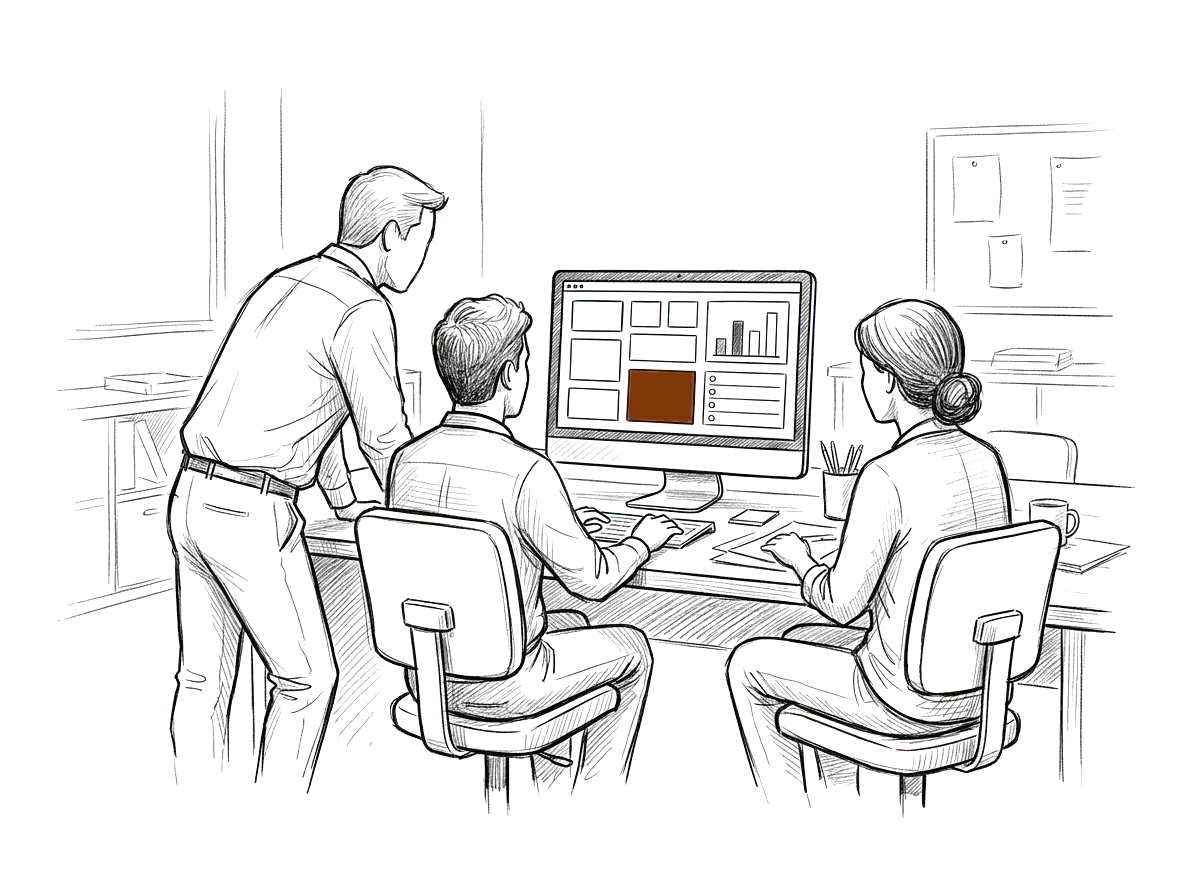
One mission, and one shared place to work from.
A growing nonprofit has program documentation in Drive, donor information in its CRM, grant materials in spreadsheets, and key procedures known mostly by senior staff.
Revuity maps how that information supports the work, then builds an environment where staff can access approved knowledge, follow repeatable workflows, and work more consistently without replacing the systems they already depend on.
Build the environment around your mission.
Tell us how your organization actually runs. We'll show you what it would take to build the environment around it.Bought online, with no sales call.