
From fragmented public-sector workflows to an AI operating environment built around how the agency actually serves people.
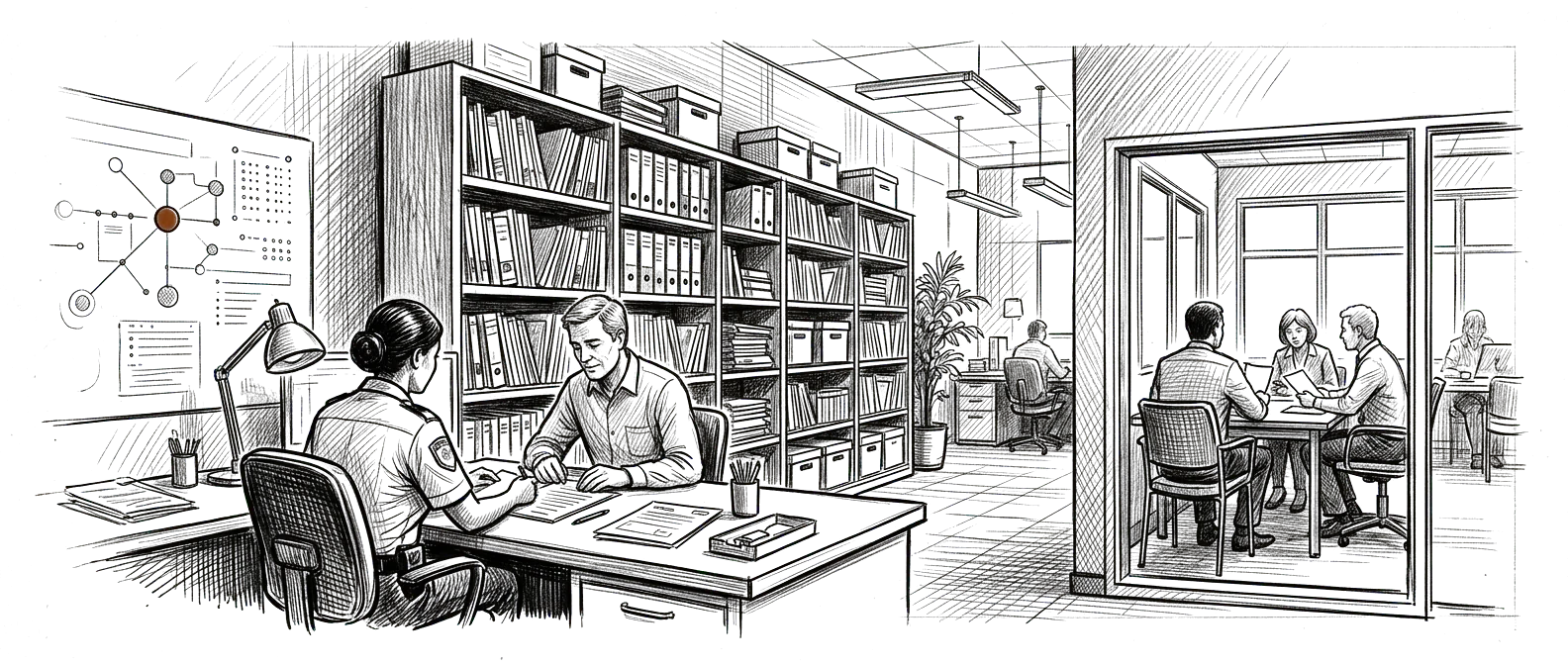
The work crosses departments, systems, policies, and public responsibilities.
Residents ask questions, staff interpret procedures, and documents live across shared drives and department systems. Requests move between teams, and a lot depends on experienced employees knowing where to look and who to call. AI can make that work easier to navigate, though a public agency needs more than a generic AI account.
They need structure, access controls, clear sources, human authority, and accountability.
Three areas where an AI operating environment can make public work easier to navigate.

Help employees find the right information faster.
Policies, procedures, ordinances, forms, internal guidance, program documentation, and department knowledge can be easier to search and use when organized around actual staff workflows.
Help staff prepare clearer, more consistent responses.
Frequently asked questions, service information, request routing, public-facing materials, and communication preparation can be supported by an environment grounded in approved sources.
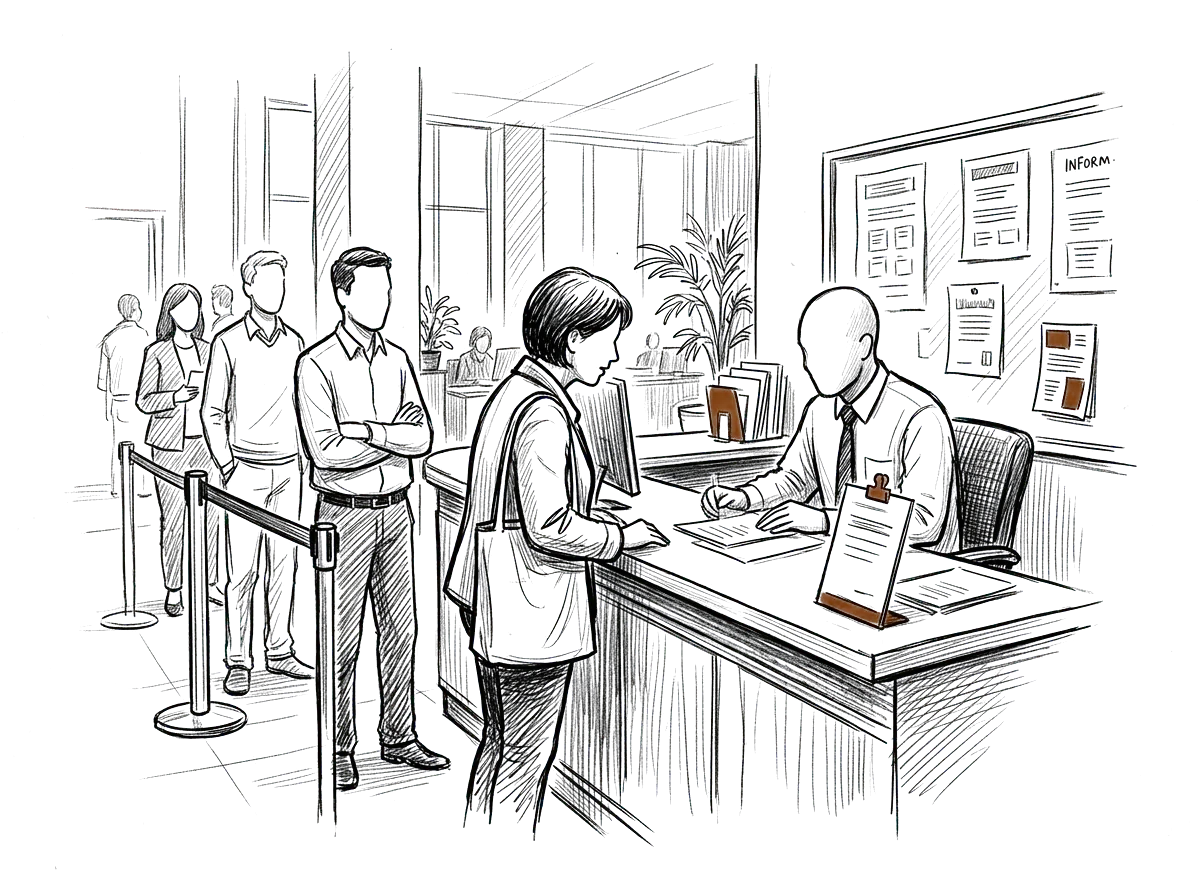

Lighten the work behind the work.
Meeting preparation, reporting, program administration, procurement support, internal research, onboarding, and recurring administrative workflows can be made more consistent.
Imagine residents served by staff who spend more time helping and less time searching.
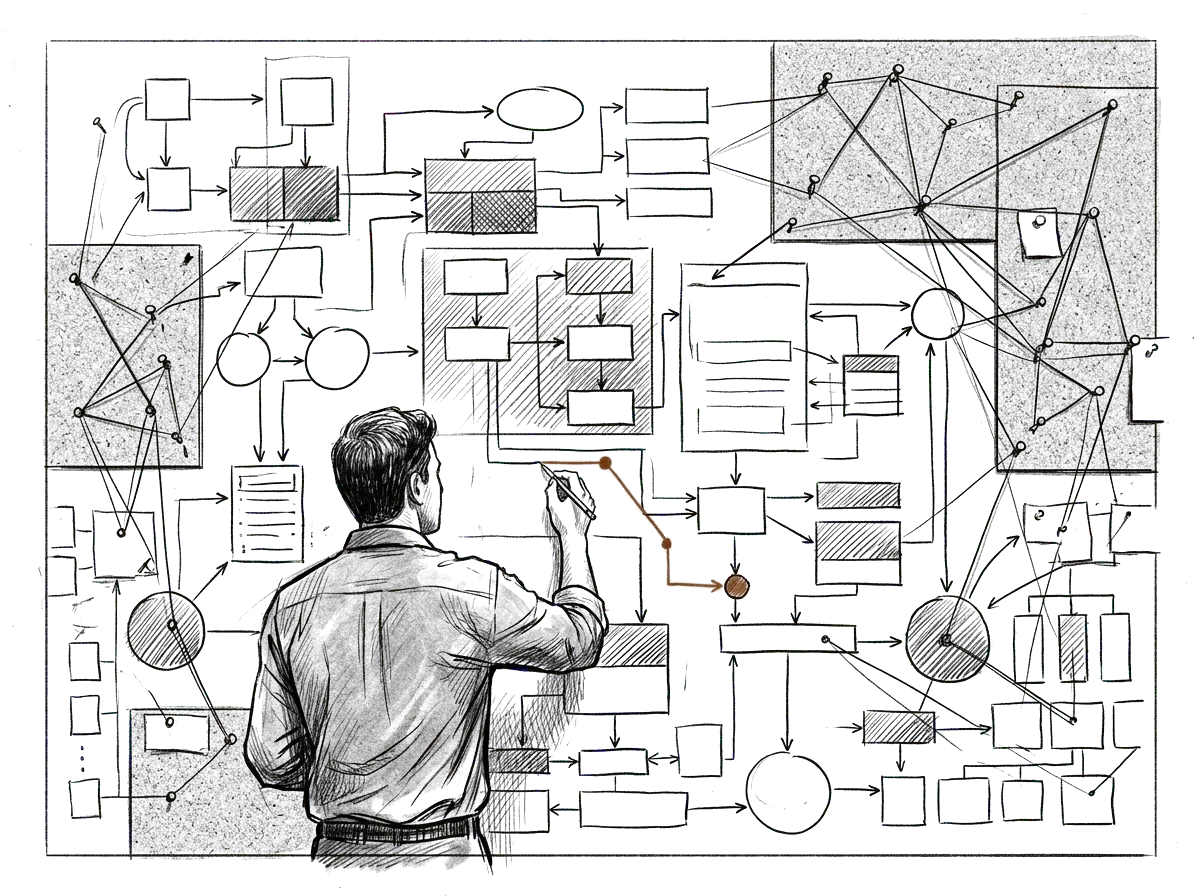
Understand how public work actually moves through the organization.
We map:
- departments
- responsibilities
- workflows
- policies
- information
- systems
- approvals
- public records considerations
- access boundaries
- decision authority
Then we determine where AI can responsibly support the work.
Give staff approved context instead of a blank model.
Trusted sources
The environment works from approved information where possible.
Role-based access
Employees see what their role and department are authorized to use.
Repeatable workflows
Recurring administrative work has clearer starting points.
Human authority
Public-sector decisions remain with the people and processes legally or administratively responsible for them.
Connect the environment to the systems already in use.
Depending on the agency, that may include:
- Microsoft 365
- SharePoint
- Google Workspace
- public websites
- document repositories
- internal systems
- case or request systems
- spreadsheets
- databases
- approved APIs
We don't start by replacing existing systems. We design around the operation first.
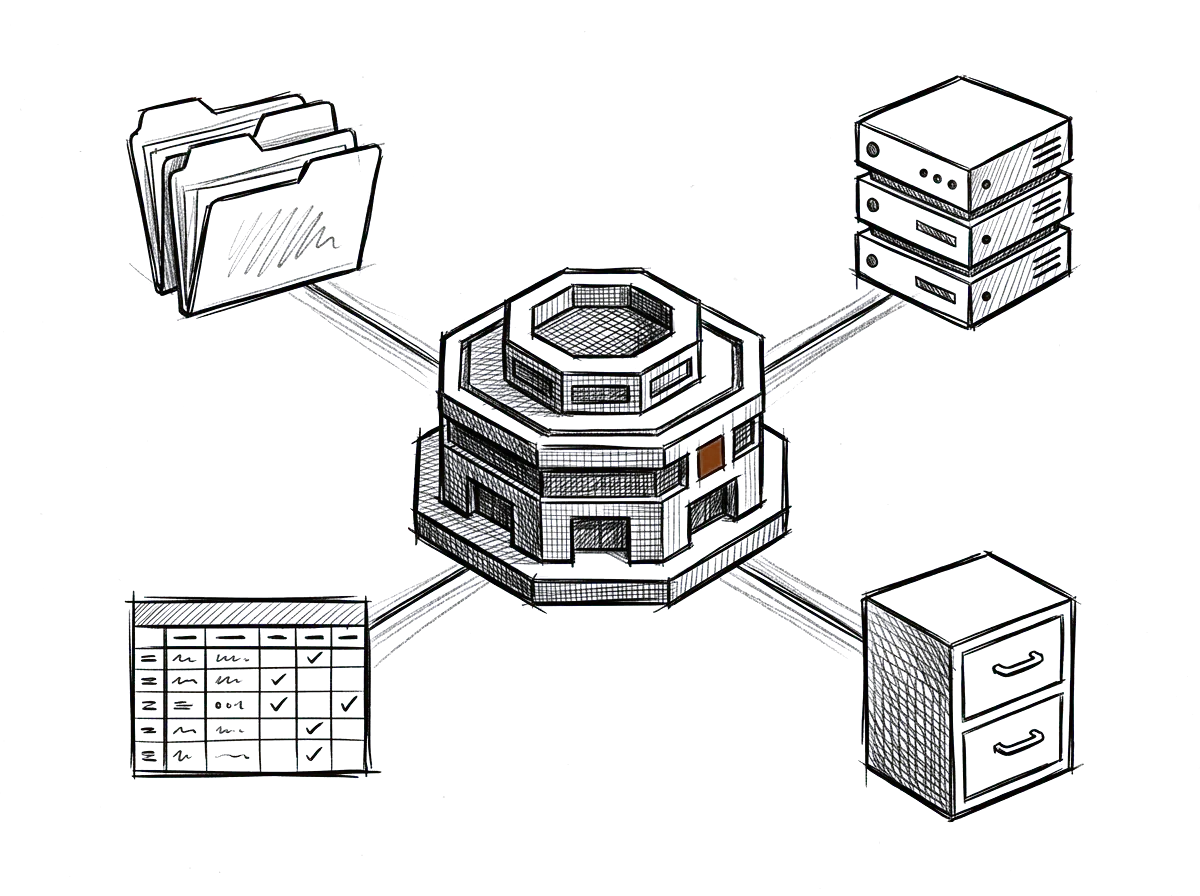
Make the environment governable.
Which sources are authoritative.
Who can access what.
What requires human review.
What can't be automated.
How outputs are checked.
Who owns changes and approvals.
Make the environment governable.
- Staff can spend less time navigating the organization.
- Approved information is easier to find.
- Recurring work becomes more consistent.
- Department handoffs become clearer.
- New employees have a better starting point.
- AI becomes a controlled part of the operating environment instead of unstructured individual use.
- Measures worth discussing together, not promised results: time from request to a named owner, requests waiting on review, and how often staff work from the current approved procedure.
Public systems should be understandable enough to govern.
More capability isn't automatically better.
We build only what the agency can responsibly operate, maintain, and oversee.
Simple enough for your team to run, and solid enough to count on.
Cities
Support cross-department administrative work, staff knowledge, public service, and internal operations.

Counties
Structure environments across larger sets of departments, programs, and information boundaries.

Special districts
Give smaller public organizations a usable environment without requiring a large internal AI team.
Public agencies
Design around specific administrative, service, knowledge, or operational workflows.
We learn the agency, design the controls, and build the environment.
Understand
We learn the workflows, departments, systems, responsibilities, and constraints.
Architect
We design knowledge, identity, permissions, workflows, controls, and platform requirements.
Build
The agency can build from the Revuity system, build with us, or have Revuity implement the environment.
Validate
For full implementations, we test permissions, sources, workflows, outputs, and human controls.
Launch
We train the relevant staff, prepare the environment for production, launch it, and transfer ownership.
Choose how much of the build you'd like us to carry.
For smaller scoped engagements:
Guided setup · 12 months of library updates
$299
12-Month Plan: $27.41/mo ($328.90 total)
For agencies that want the Revuity environment structure and want to build it themselves.
- Environment template
- Guided operating process
- Workflow structure
- Reusable implementation guides
One-time · Self-service · Written for a team
$499
For agencies that want an environment written for the whole team, set up on their own.
- Role and responsibility guidance
- Shared workflow instructions
- Decision boundaries
- Documented setup
Bounded setup · Agreed written scope · Design for 1 operation
From $1,199
12-Month Plan: From $1,318.90 total
For agencies that want Revuity to lead a bounded setup against an agreed written scope.
- Agreed written scope and acceptance checklist
- Design for 1 operation
- Implementation
- Validation against the checklist
Ten workflows for local government, $75.
One plugin set carries the operational flow of the work. Each workflow organizes, tracks, drafts or flags, and a person makes the decision.
- 01
Public records request tracking
Tracks each request, its due dates and who owns the next step.
- 02
Constituent inquiry routing
Sorts inquiries by topic and department and drafts the acknowledgments.
- 03
Agenda and packet preparation
Gathers the items and prepares the draft agenda for staff review.
- 04
Meeting minutes drafting
Turns notes into draft minutes for the clerk to review.
- 05
Permit and application tracking
Follows each application through its review steps and flags the ones that stall.
- 06
Board and commission calendar
Tracks meetings, terms and notices ahead of the date.
- 07
Budget cycle brief
Prepares each department's budget summary for review.
- 08
Grant and funding tracker
Tracks applications, requirements and reporting dates.
- 09
Procurement and contract tracking
Tracks solicitations, vendors and renewal dates.
- 10
Staff onboarding and offboarding
Walks through the checklist for access, equipment and paperwork.
$7510 workflows
One purchase, all ten workflows for this industry.
Larger agency environments, procurement requirements, multi-department implementations, or specialized security/integration scope may require a separate engagement.
The ways public organizations work with us.
When the jurisdiction has a resident-facing service or tool it wants built, like a permit status page or a service request app, we build it with your team from a first version to launch.
CollabX Premium Website
$1,600one-time
A custom-designed website built around your brand, from your existing site or from nothing, with every page written and polished to read well.
CollabX Product Launch
$9,500one-time
We take the product past a first version and get it ready to launch: a production-ready core, deployment, the integrations it needs, agent-ready access where the product needs it, sign-in, payments where they make sense, testing, and launch preparation.
Claude Forward Deployed Engineering
$125/hr40-hour minimum, plus a one-time $1,200 set-up fee
A Revuity engineer works inside your business to build with Claude where your work actually happens.
AI can support public work. Public authority stays with the agency.
The environment may help staff retrieve information, prepare work, organize processes, and support administrative workflows, and it shouldn't quietly replace statutory authority, required approvals, public accountability, records obligations, or human decision-making.
Revuity designs those boundaries into the environment rather than treating them as an afterthought.
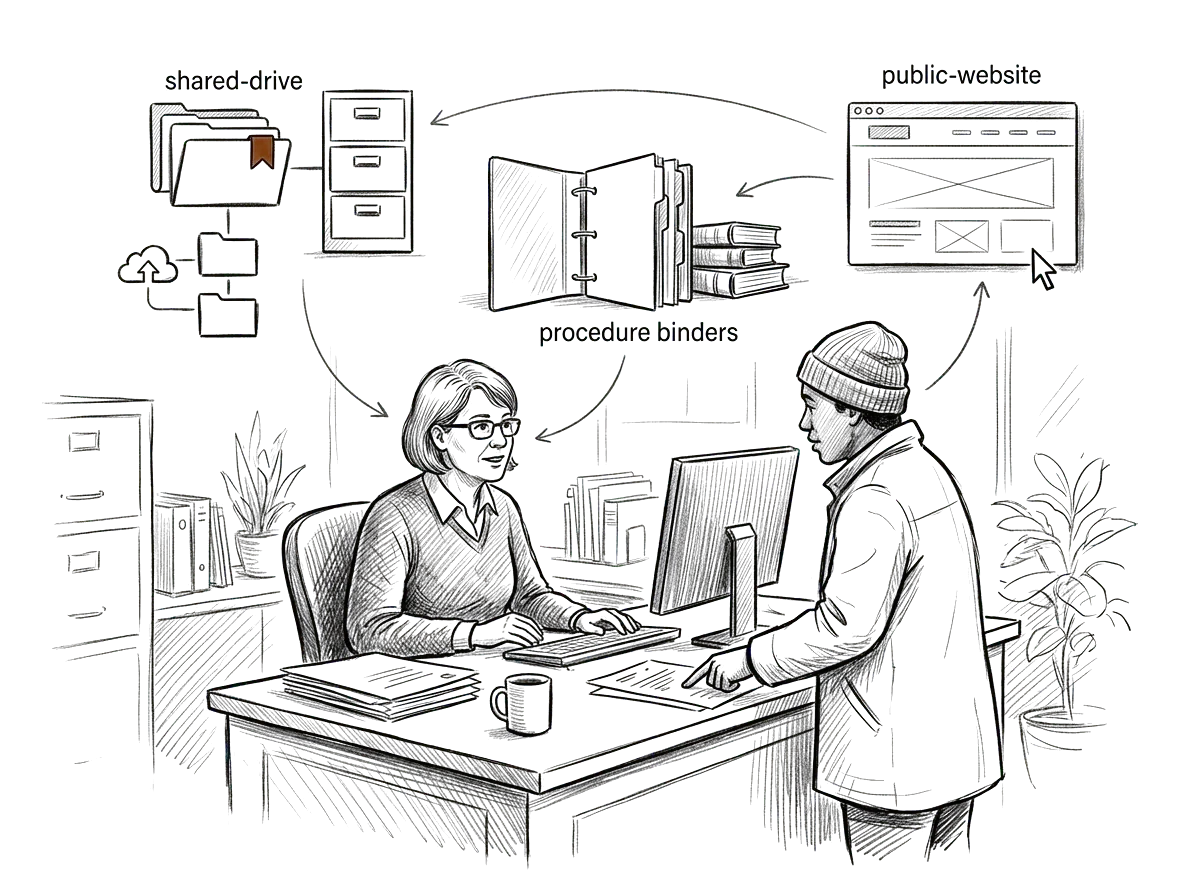
One agency, and a lot less time spent hunting for answers.
A city department receives recurring questions from residents while staff work across shared drives, internal procedures, public websites, and institutional knowledge.
Revuity maps the request workflow, identifies the approved sources and decision boundaries, then builds an environment that helps staff find information and prepare work consistently while keeping final authority with the appropriate public employee.
From scattered productions to one system.

Independent Film & TV Production Company
An independent film and TV production company ran every production as its own improvised effort. Scheduling, crew and vendor coordination, budgets, and deliverables lived across email, spreadsheets, and group texts, and all of it got rebuilt from scratch each time. The people were capable, there was just no structure that carried over. Revuity Systems mapped how a production actually moves from pre-production through wrap, then designed and built the operating environment with their team, so the structure carries from one production to the next.
They came back to work with Revuity Systems again after the first build.
Questions, answered.

Build the environment around how the agency works.
Tell us how your department actually operates. We'll show you what it would take to build the environment around it, with the controls a public agency needs.Bought online, with no sales call.