Cookies
We use one analytics cookie (Google Analytics) to understand which pages are useful. No ads, no reselling, and declining changes nothing about how the site works. Privacy Policy
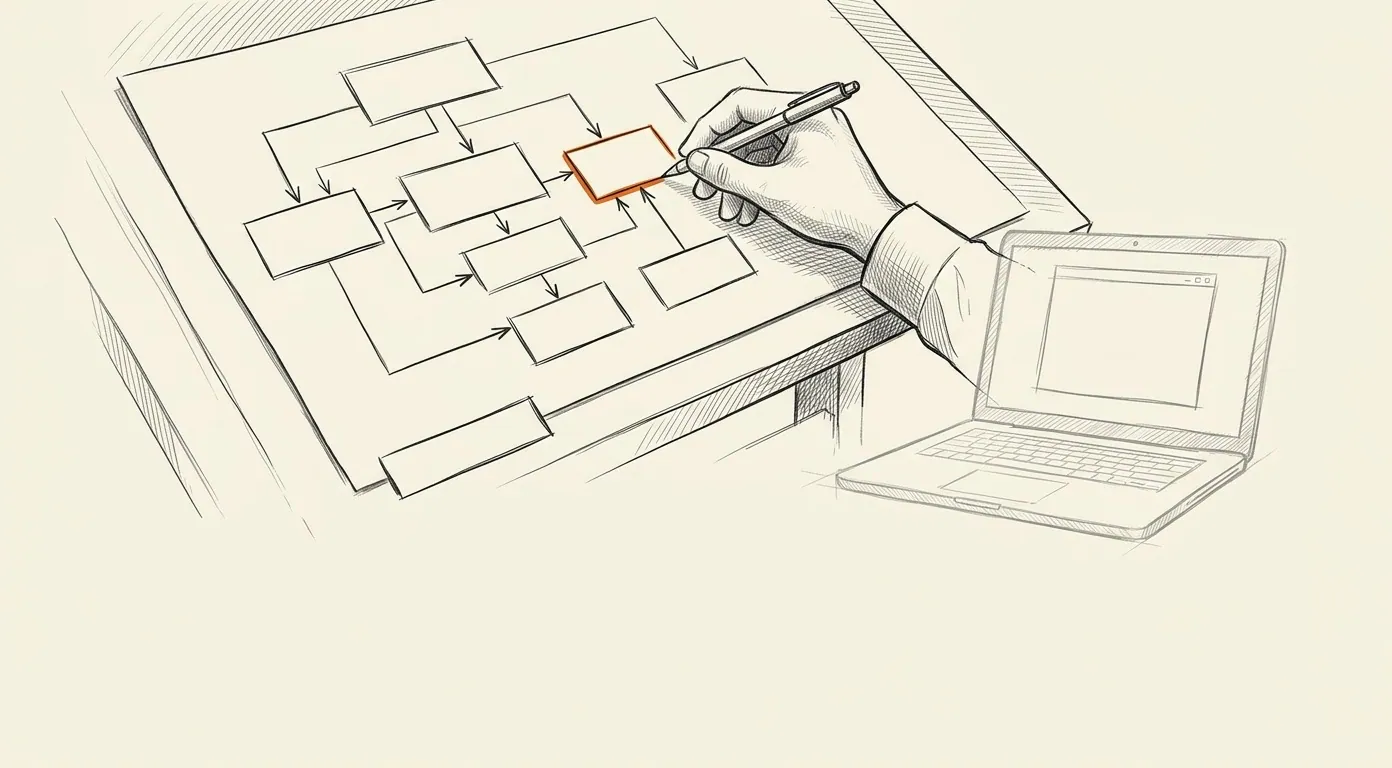
The work gets done. Nobody designed how.
The loyalty program is whatever the POS came with. Intake lives in a form, an inbox, and one person's memory. Handoffs depend on who is working that day. The rules were never written down. The system exists. It was just never designed.
Buying a tool is not the same as designing how the work should run.
The operations your customers actually feel.
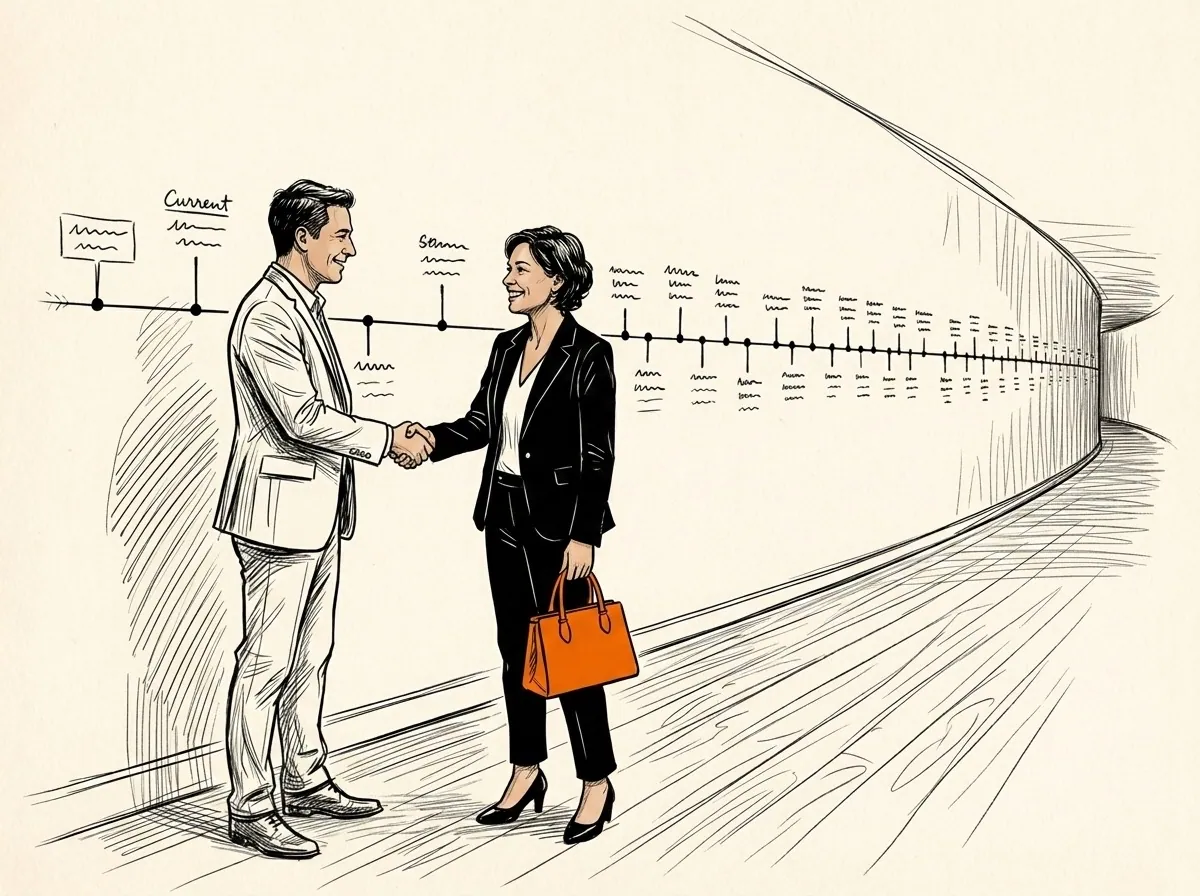
Design a loyalty program people actually use.
Who qualifies, what they earn, how staff enroll them, what gets tracked, and how you know the program is paying for itself. A restaurant's loyalty program is a system, not a setting in the POS.
Design intake that captures what the next step needs.
For a medical club, a clinic, a membership organization, or a service firm: what gets asked, in what order, who reviews it, and what happens next. Intake should not live in a clipboard, an inbox, and one person's memory.

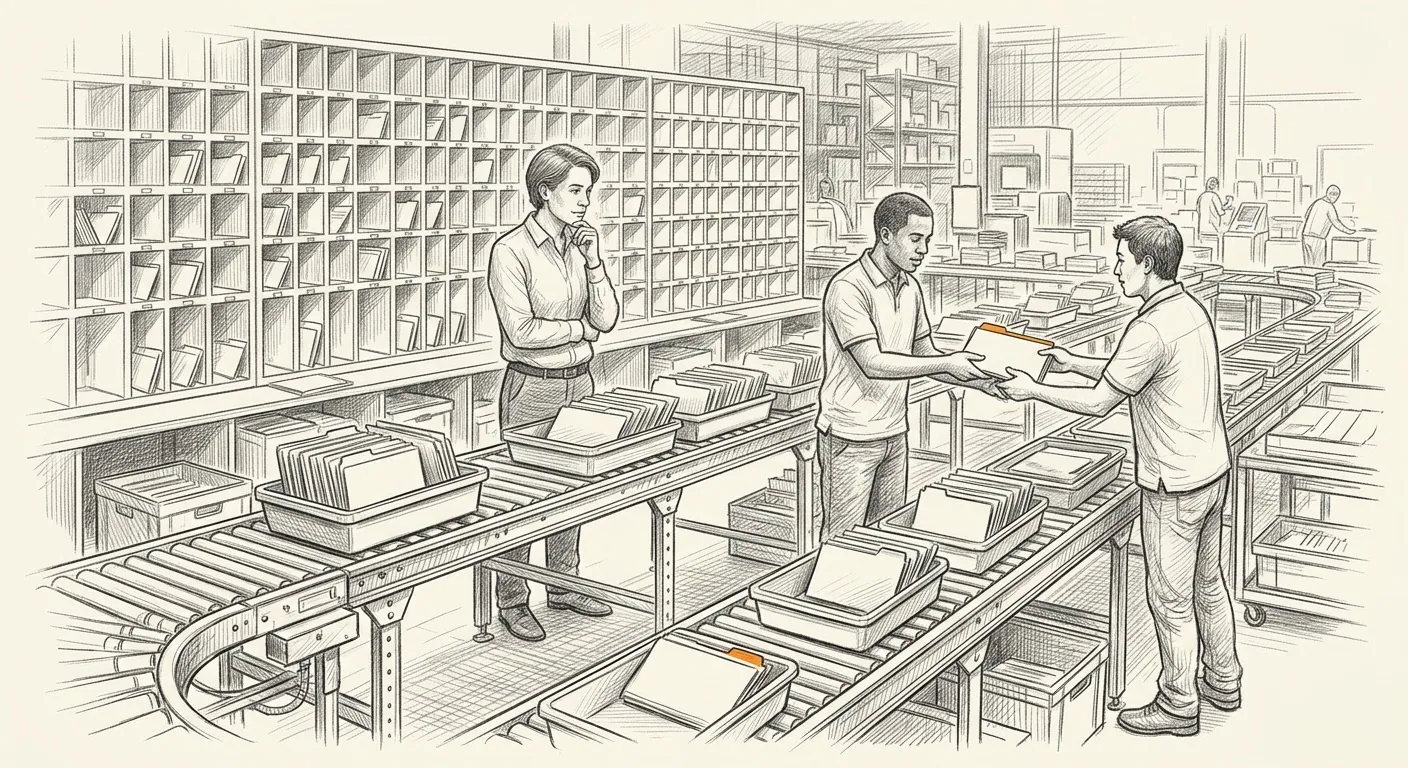
Design what happens between people.
Bookings, orders, requests, renewals, and follow-ups move between people and tools. We design who owns each step, when it happens, and what happens when something is missed.
Imagine an operation that runs the same way no matter who is working.
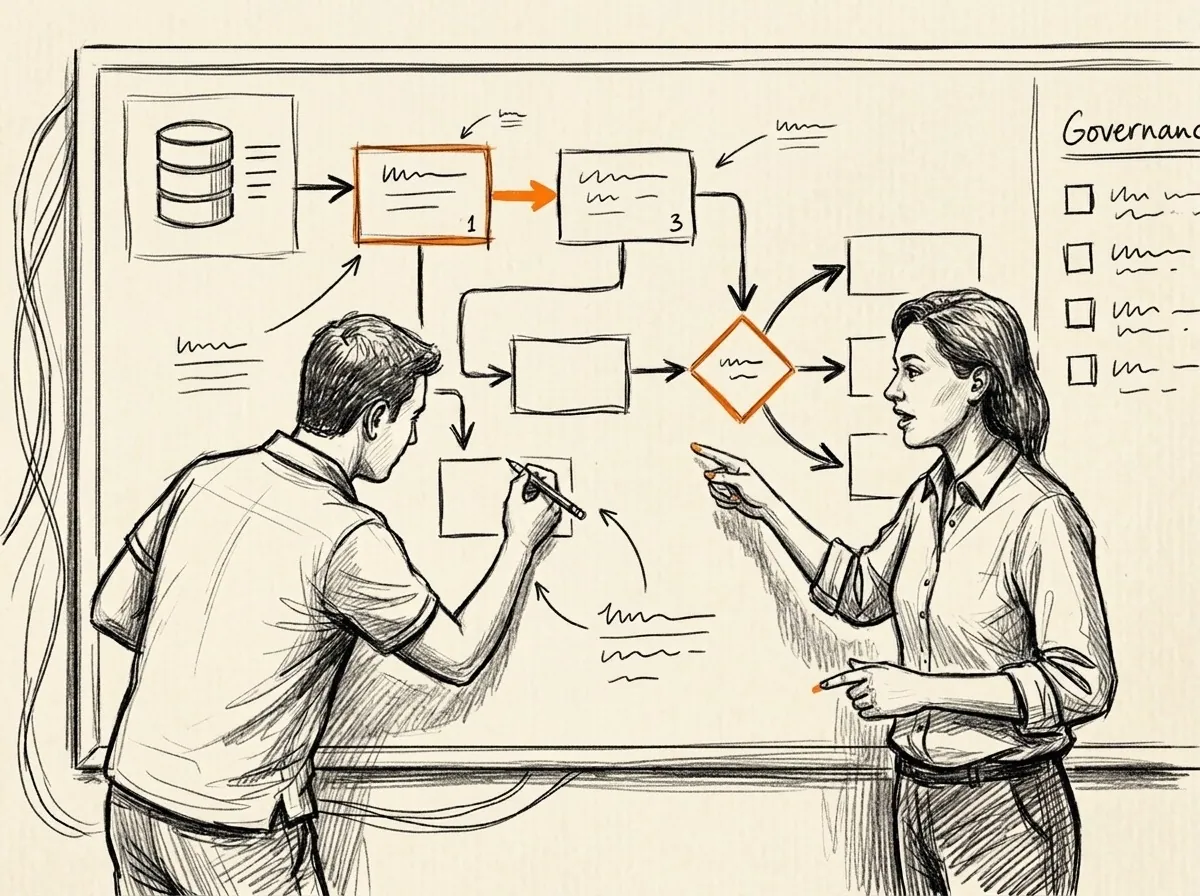
Start with how the work actually moves today.
We map:
- purpose and outcome
- inputs
- people and roles
- steps and sequence
- decisions
- information and data
- handoffs
- rules and policy
- exceptions
Then we design the version that should exist.
Design the whole system, not just the form.
A new form or a new app fixes one step. A designed system fixes how the steps work together.
Process
The steps, their order, and who owns each one.
Rules
Who qualifies, what is allowed, and what triggers the next step.
Information
What gets captured, where it lives, and who can see it.
Measures
How you will know the system is working, and when it is not.
Use the tools you already have, where they fit.
Depending on the operation, the design may use your existing:
- point of sale
- booking and scheduling
- CRM
- forms and intake tools
- email and text messaging
- membership software
- accounting
- spreadsheets
Where a new tool or custom software is actually needed, we say so.
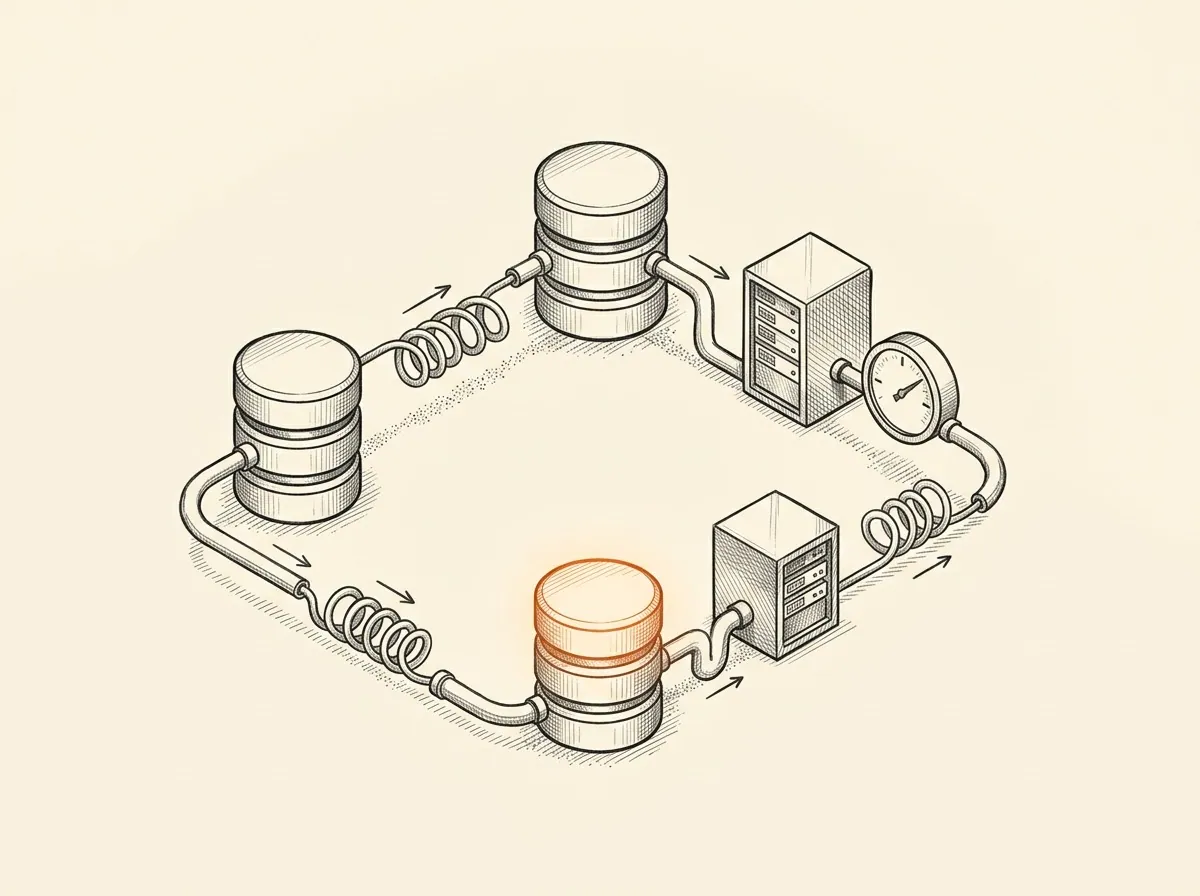
Design control into the system.
Design control into the system.
The operation stops depending on memory.
- Customers get a consistent experience.
- Staff know what happens next.
- Exceptions get handled instead of lost.
- Owners can see whether it is working.
- Changes happen on purpose, not by accident.
Design it before you build it.
We design the lightest system that does the job. Sometimes that is a clearer process and better use of the tools you already own. When the design calls for custom software, that is where Forward Deployed Engineering comes in.
Simple enough to operate. Strong enough to matter.
Understand the operation. Design the system. Hand it over ready to run.
Scoped to the system, not a package.
Every operation is different, so there is no fixed price. Tell Gloria which part of the operation is not working. She will ask a few questions and route you to the right conversation.
Design first. Build only when it is needed.
Operations Systems Design can stand on its own, sit inside an AI Environment engagement, or lead into Forward Deployed Engineering when the design calls for custom software.
You own the design. Your team runs the operation.
One restaurant. A loyalty program that finally earns its keep.
A neighborhood restaurant runs the loyalty program its POS came with. Staff forget to offer it. Rewards do not match margins. Nobody can tell whether regulars come back more often.
Revuity maps how guests are enrolled, what they earn and when, how staff are prompted, what gets tracked, and how the owner will know the program is paying for itself. The team gets a documented program it can run with the tools it already has.
Questions? Talk to our solutions team.